Customer support is where most companies meet their first AI agent, and it is usually the right place to start. The work is high-volume, much of it repeats, the inputs are already digital, and you can keep a human on anything sensitive. Done well, it cuts response times and frees your team for the conversations that actually need a person.
Done badly, it frustrates customers and damages trust. This guide covers what an AI support agent really does, where it helps, the mistakes to avoid, and how to roll it out without burning goodwill.
What an AI Support Agent Actually Does
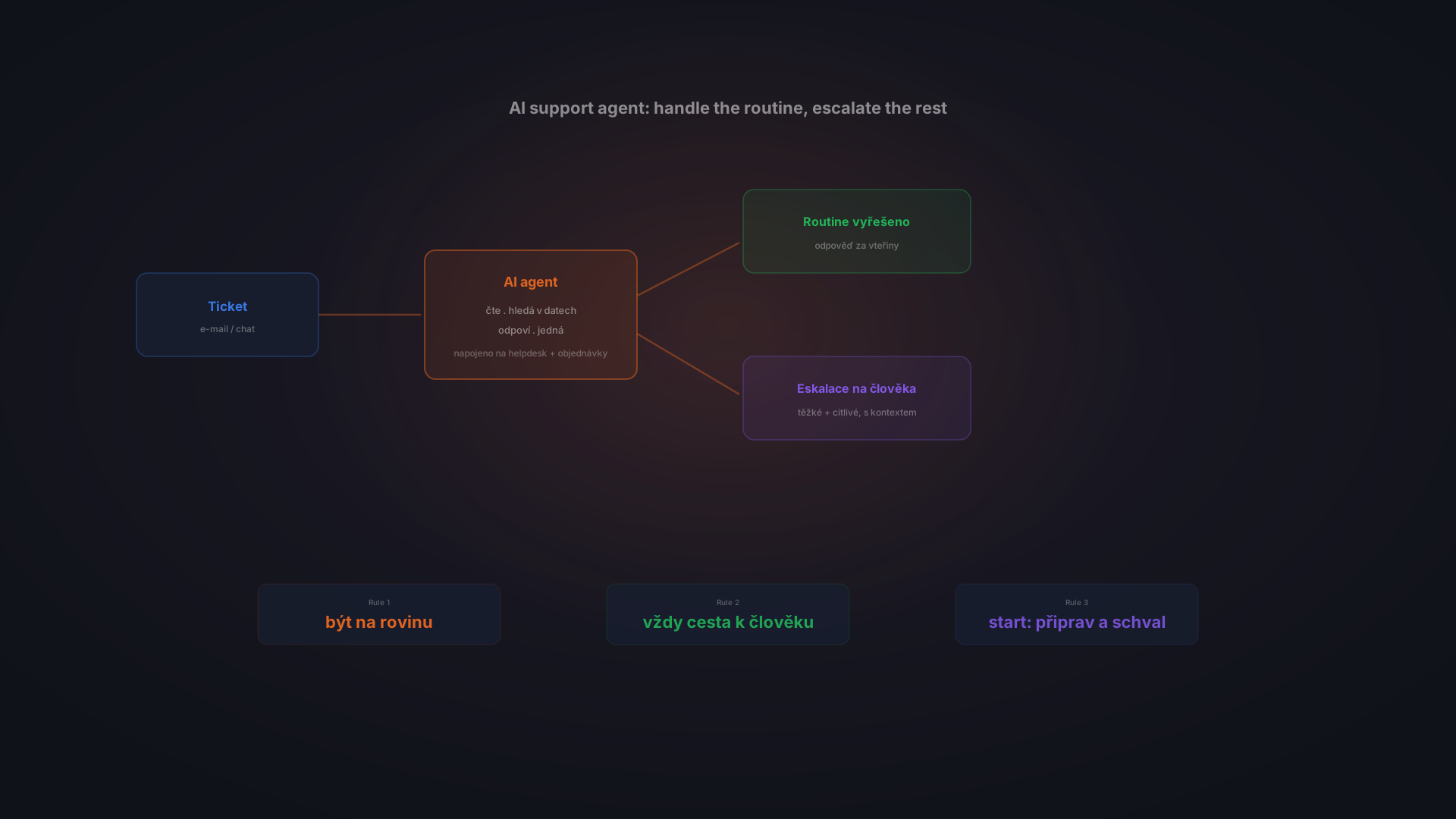
A real support agent is more than a chat widget. Connected to your helpdesk, order system, and knowledge base, it can:
- Read and understand an incoming ticket or email in plain language
- Find the answer in your actual data: order status, policy, account details
- Draft or send an accurate, on-brand reply
- Take action where allowed: update an order, issue a refund, create a follow-up
- Triage and route: handle the routine, escalate the rest to the right person with context attached
The difference from a basic chatbot is that it works from your live data and can act, not just recite FAQ text. That connection is the real project, as covered in what an AI agent is.
Where It Helps Most
- Repetitive questions: where is my order, how do I return this, what are your hours
- After-hours cover: instant answers when your team is offline
- First-response speed: a useful reply in seconds instead of hours
- Triage: sorting and prioritizing so agents start with context, not a cold inbox
- Multilingual: answering Czech and English customers without a bigger team
The Mistakes to Avoid
- Hiding that it is AI: be upfront; customers forgive a bot, they do not forgive being deceived
- No human escape hatch: there must always be an easy path to a person
- Letting it guess: an agent that invents answers is worse than none; it should say what it does not know
- Full autonomy on day one: start by drafting for human approval, expand only once it is trusted
- Ignoring the hard cases: complaints and emotional situations should go to a person quickly
How to Roll It Out Safely
Start narrow. Pick the top handful of repetitive question types, connect the agent to the data it needs to answer them, and run it in draft-and-approve mode so your team checks every reply at first. Measure response time, resolution rate, and customer satisfaction. As accuracy proves out on the easy categories, let it send those directly and widen the scope. Keep the hard and sensitive cases with people from the start. This is the same staged approach we recommend for any first automation, in which processes to automate with AI first.
Off-the-Shelf or Custom?
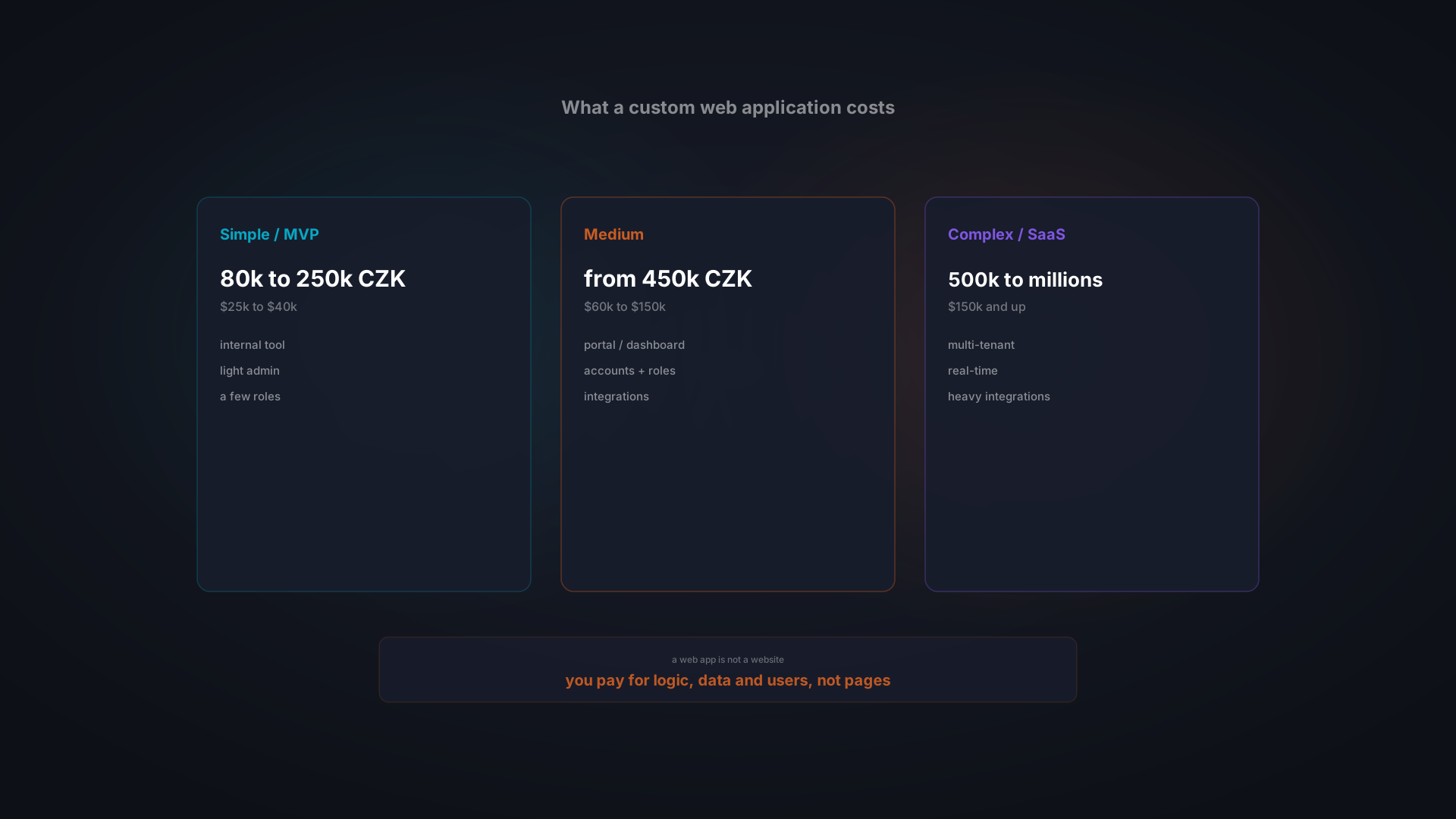
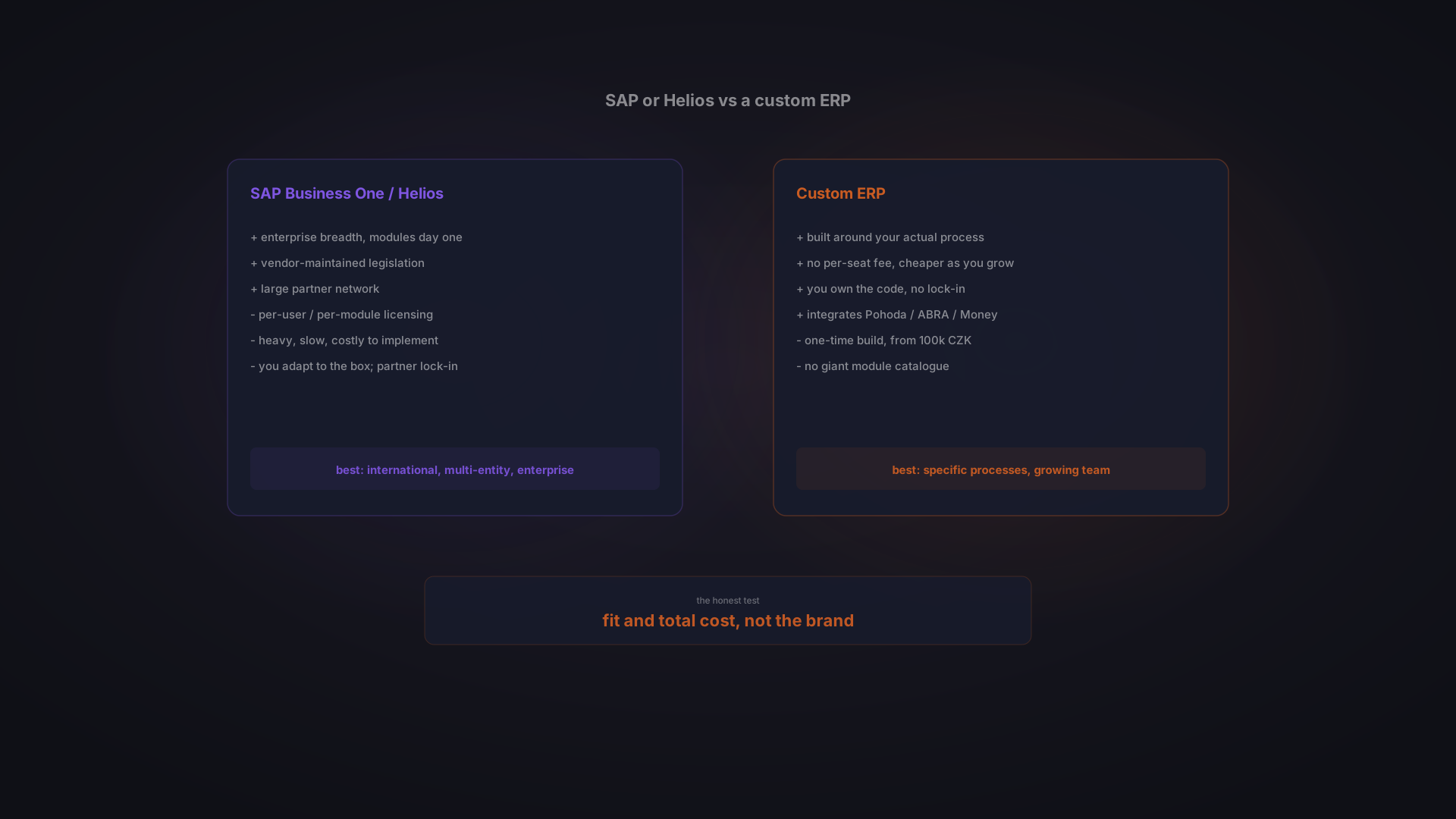
A ready-made support assistant is quick to trial and fine for standard FAQ deflection. A custom agent makes sense when it needs to act in your own systems, follow your specific policies, or handle volume where per-seat pricing would add up. Most companies trial a tool first, then build custom where it clearly pays, the logic in custom AI vs off-the-shelf tools, with budgets in how much an AI agent costs.
Frequently Asked Questions
Will customers know they are talking to AI?
They should. Being transparent and offering an easy handoff to a person builds more trust than pretending. Customers are generally happy with a bot that solves their problem fast and honestly.
What happens with complaints or angry customers?
Those should be routed to a person quickly, with the conversation and context attached. A good setup detects frustration and sensitive topics and hands off rather than pushing a bot where empathy is needed.
How fast can we see results?
Because support is high-volume, a narrow pilot can show measurable gains in response time and deflection within weeks. Start with one or two question types and expand from there.
In Short
Support is the classic first AI agent: high volume, repetitive, with a clear human fallback. Be transparent, start in draft-and-approve mode on the easy questions, keep people on the hard ones, and measure. Done this way it speeds up answers and frees your team without hurting trust.
Thinking About AI in Your Support?
We will look at your ticket mix and show where an agent would safely cut response time, and where your team should stay in charge.
Book a free consultation and we will plan a safe first step.