Software built around how your company actually works.
A proven CRM system, customized around the way you actually sell.
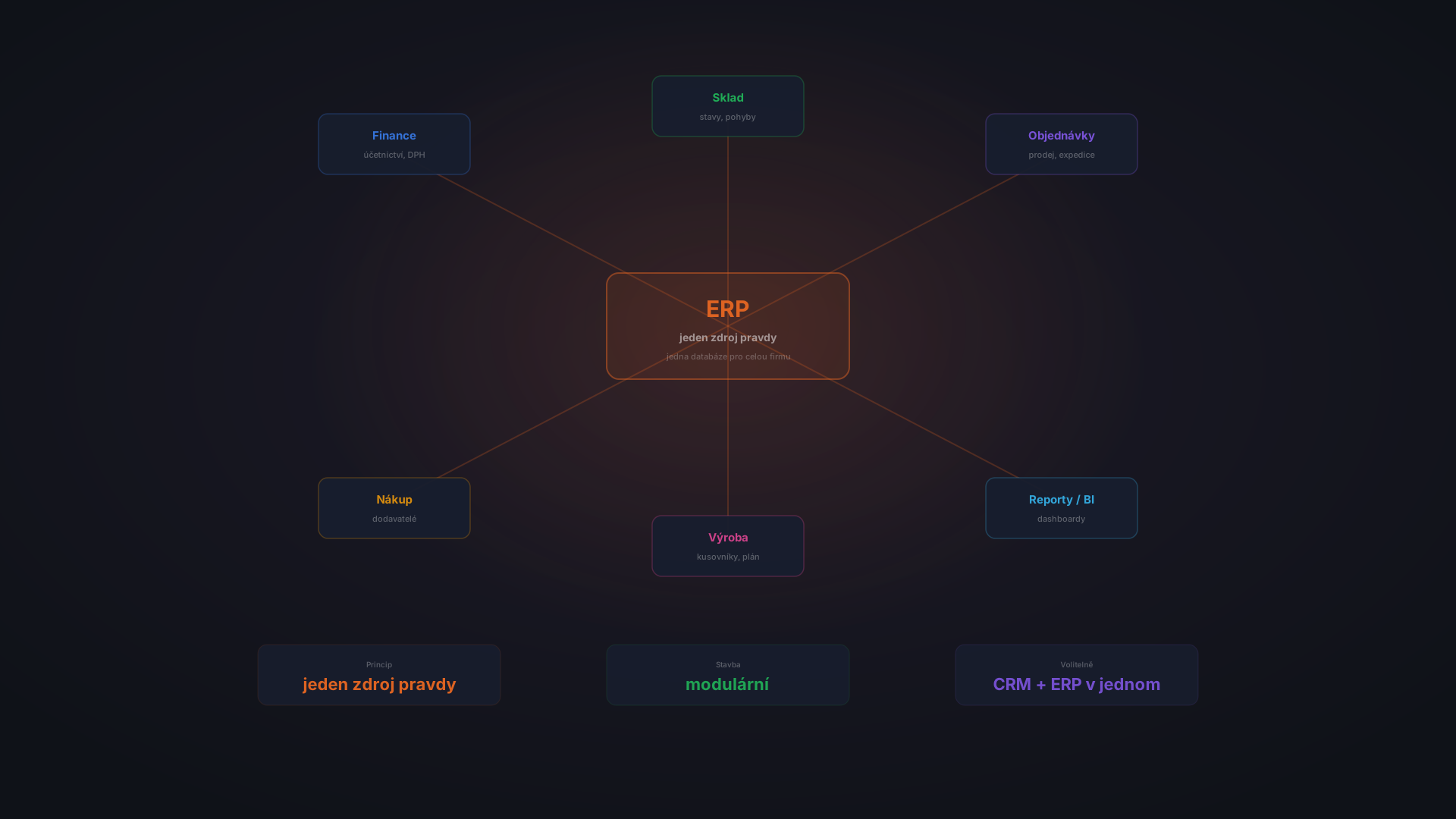
One platform for your entire operation.
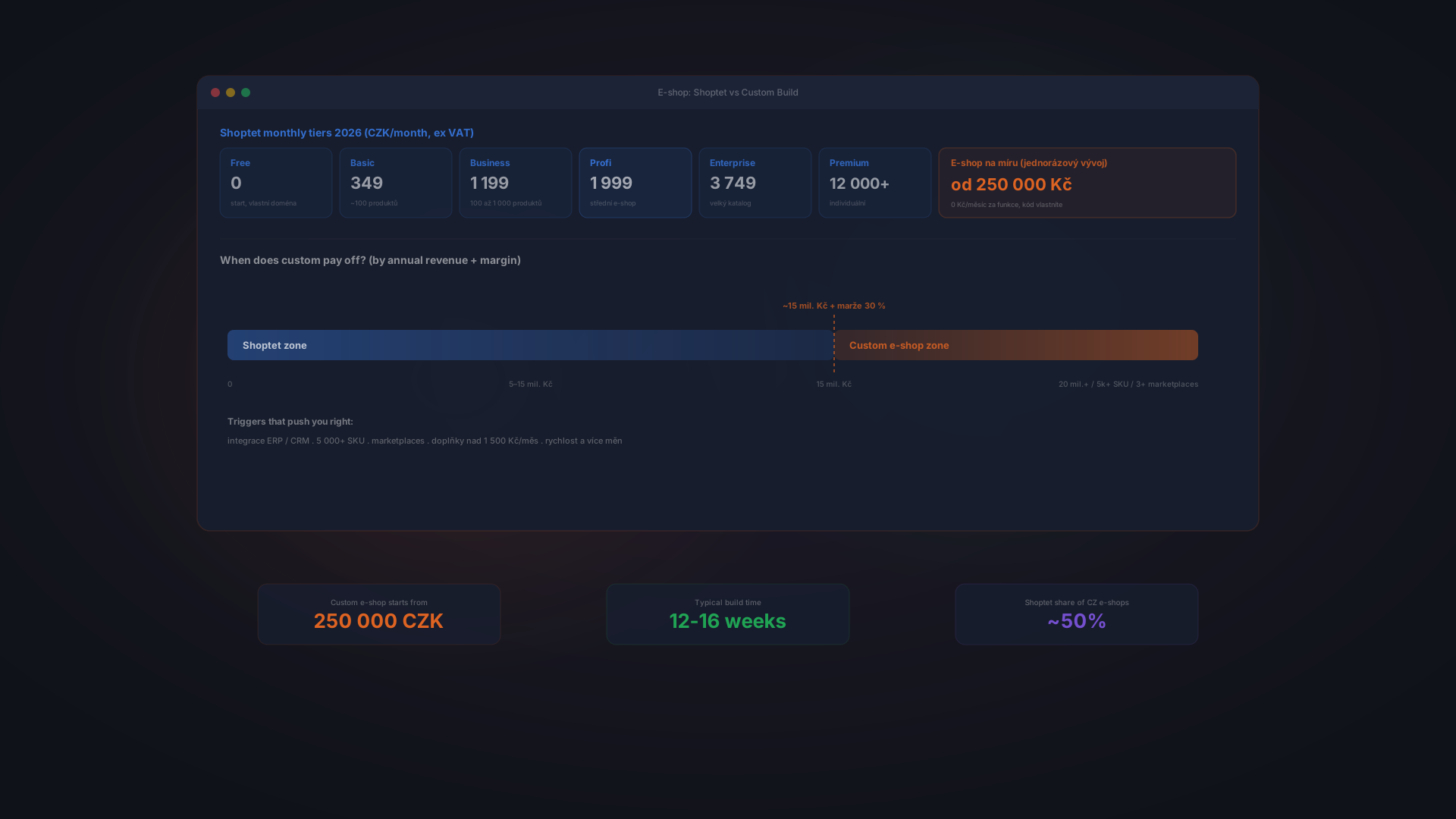
An online store built for your business model, not a template.
Connect your existing systems without replacing them.
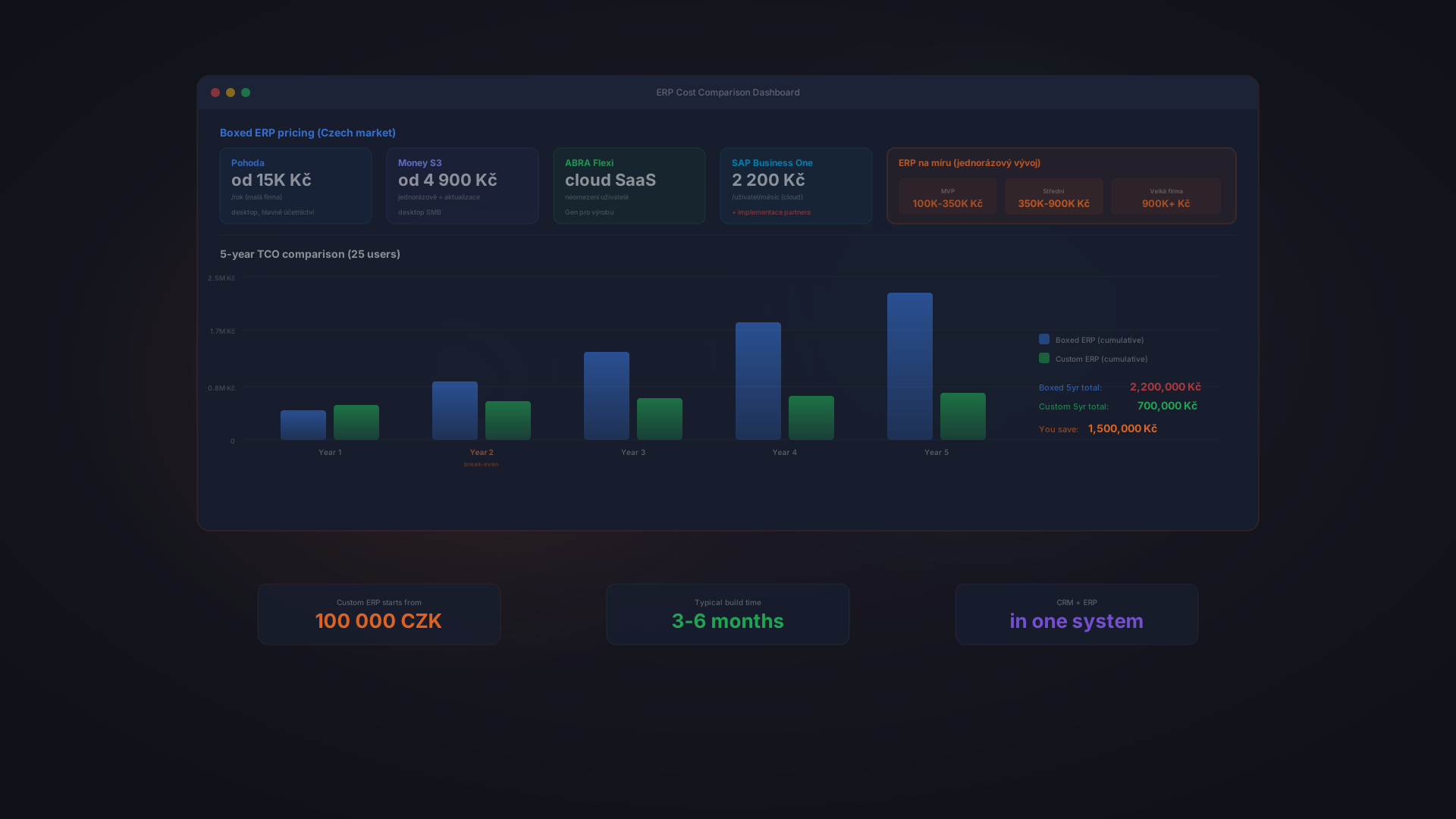
Mobile tools for your customers and your team.
AI tools that handle the work your team shouldn't have to.
Be the brand that search engines rank and AI recommends.
Turn paper invoices into structured data, automatically.
Hire the right technical people with confidence.
Find vulnerabilities before attackers do.
Know what the public internet knows about your business, partners, and competition.
Practical thinking on custom software, AI automation, and building technology that works for your business.
Tell us about your business challenge. We'll figure out the right solution together.
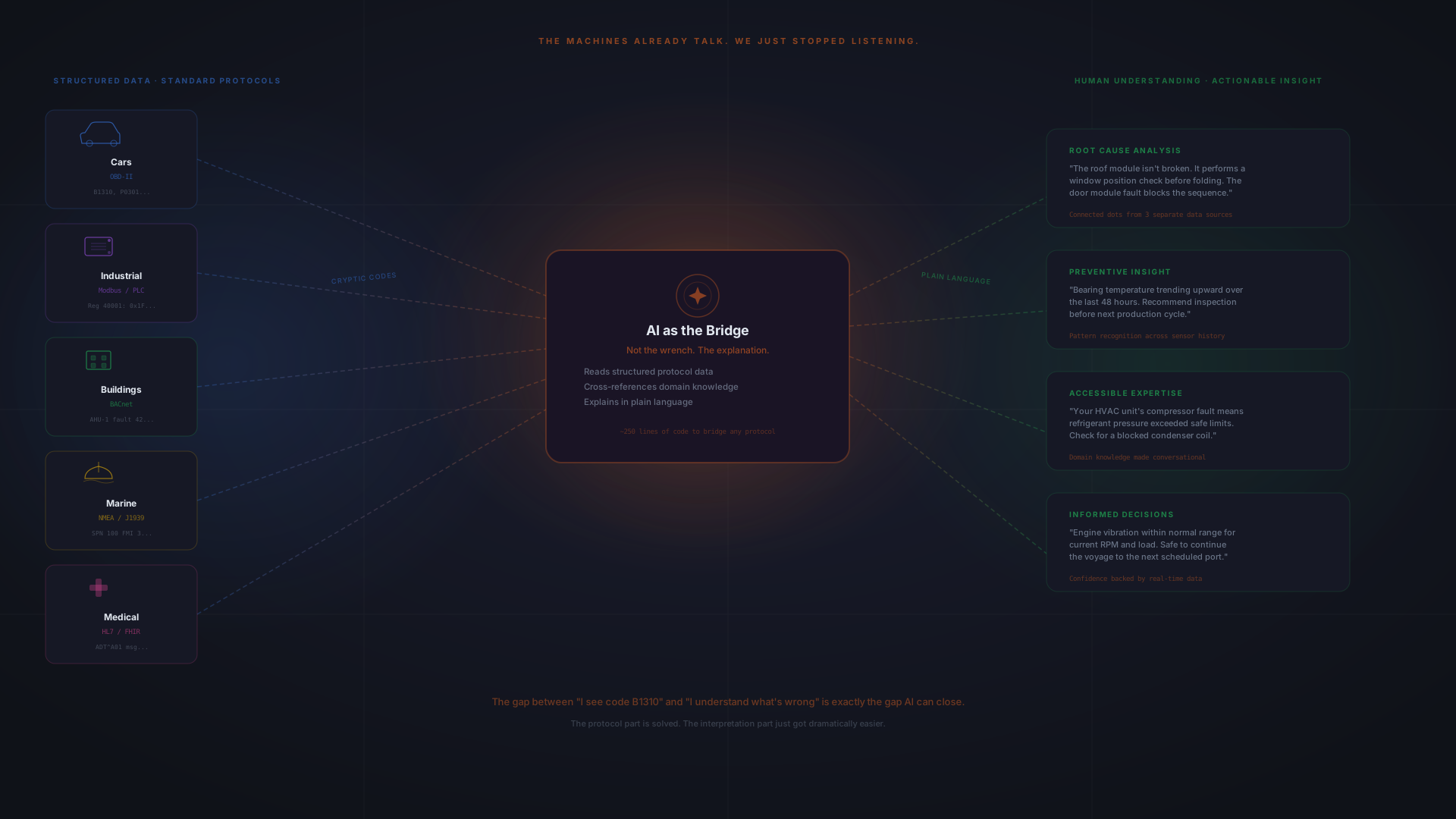
Modern cars, factory PLCs, HVAC units, and cargo ships already output structured diagnostic data through standard protocols. The problem was never access. It was interpretation. A weekend experiment with OBD-II and AI showed what changes when you bridge that gap.
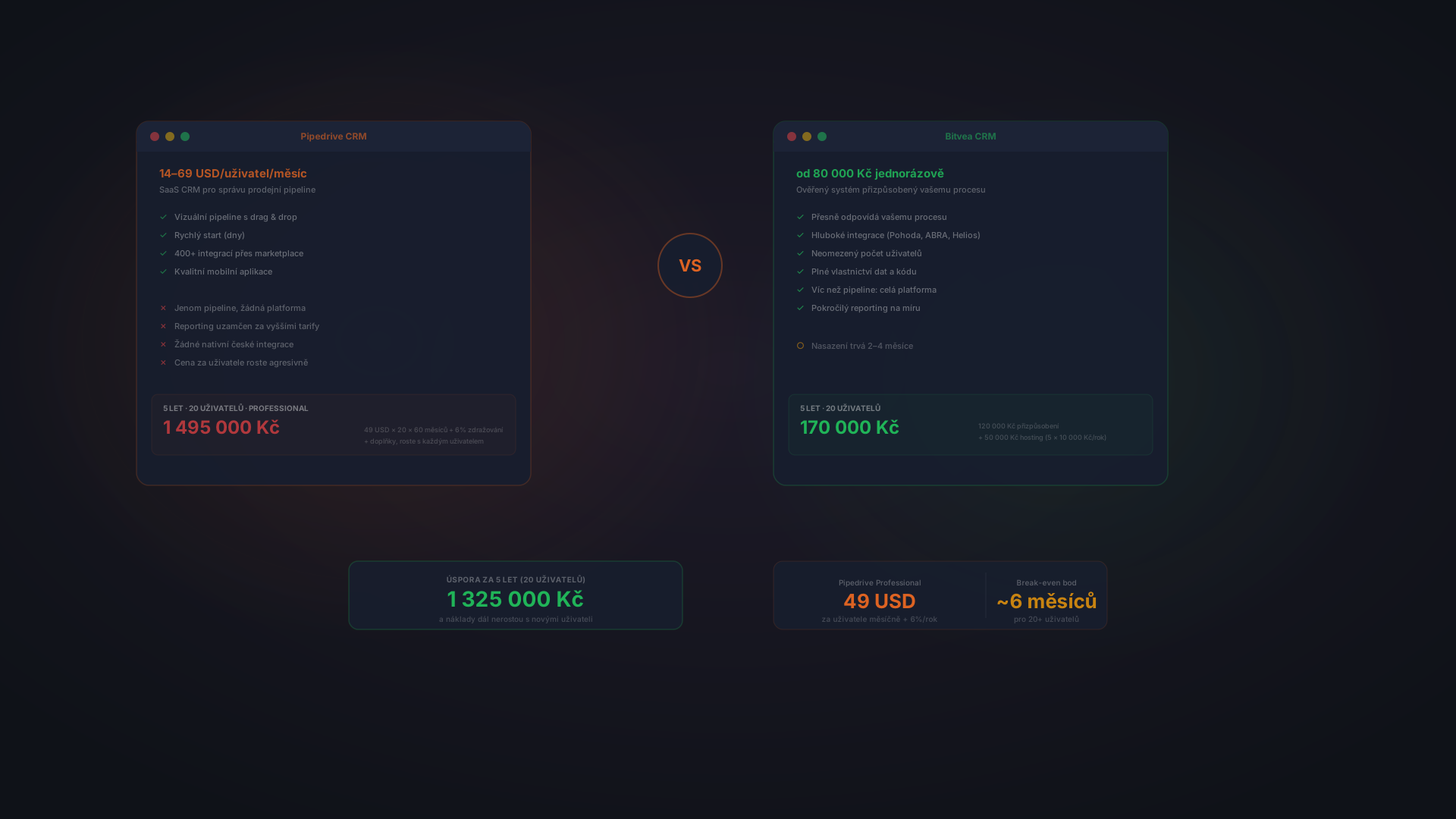
Pipedrive is popular, visual, and built for sales teams. But when your process outgrows its pipeline view, a customized CRM system often wins. Compare costs, features, and the real ROI over 5 years.
ANABIX is one of the most affordable Czech CRM options. For micro-businesses just starting with CRM, it works well. But as your business grows, its simplicity becomes a ceiling. This article compares ANABIX to Bitvea CRM and helps you decide which path makes sense.
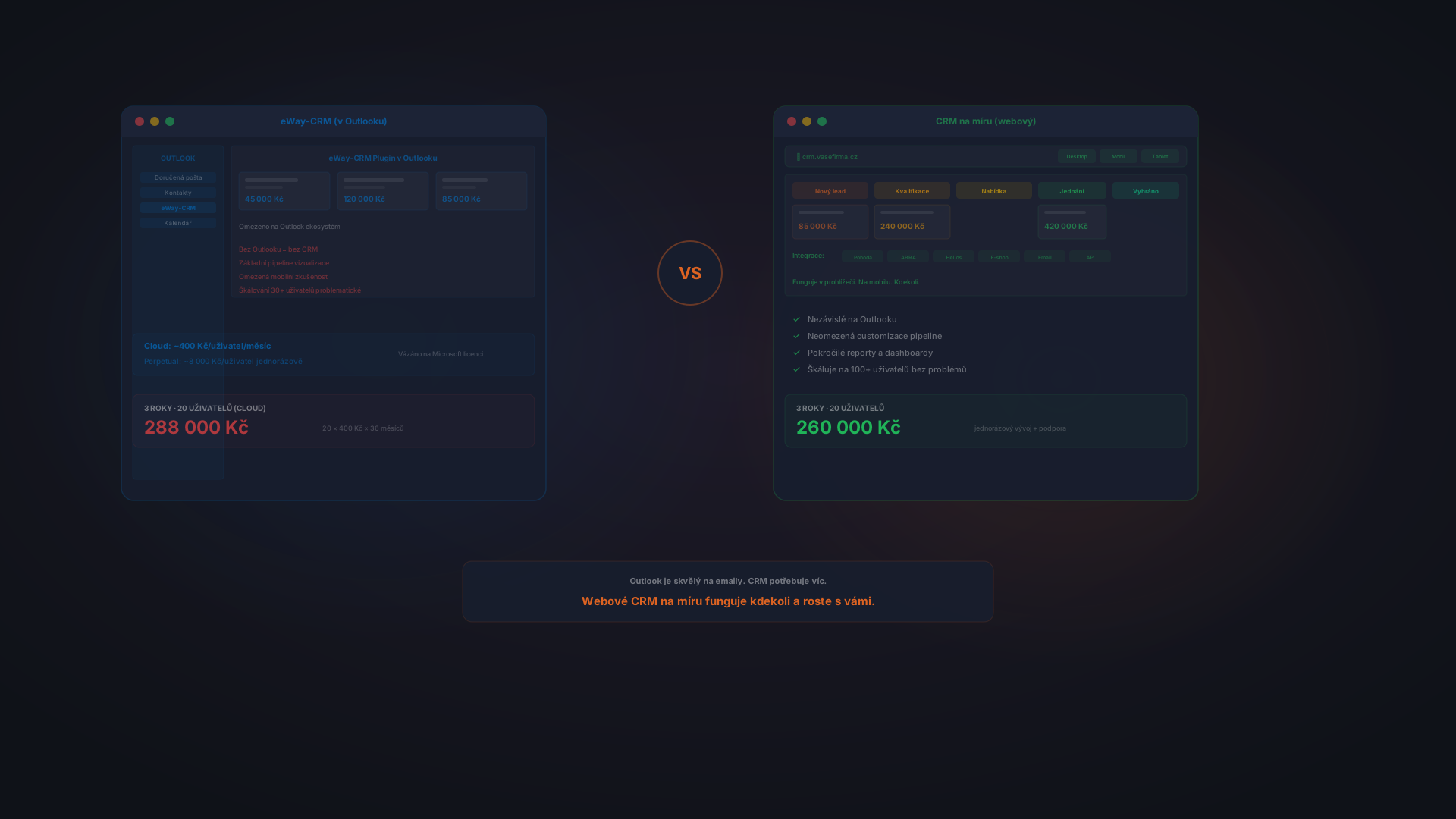
eWay-CRM is smart: it lives in Outlook where your team already works. But as you scale, the Outlook shell becomes a constraint. Here's what you lose as you grow, what Bitvea CRM delivers, and when it's time to make the leap.
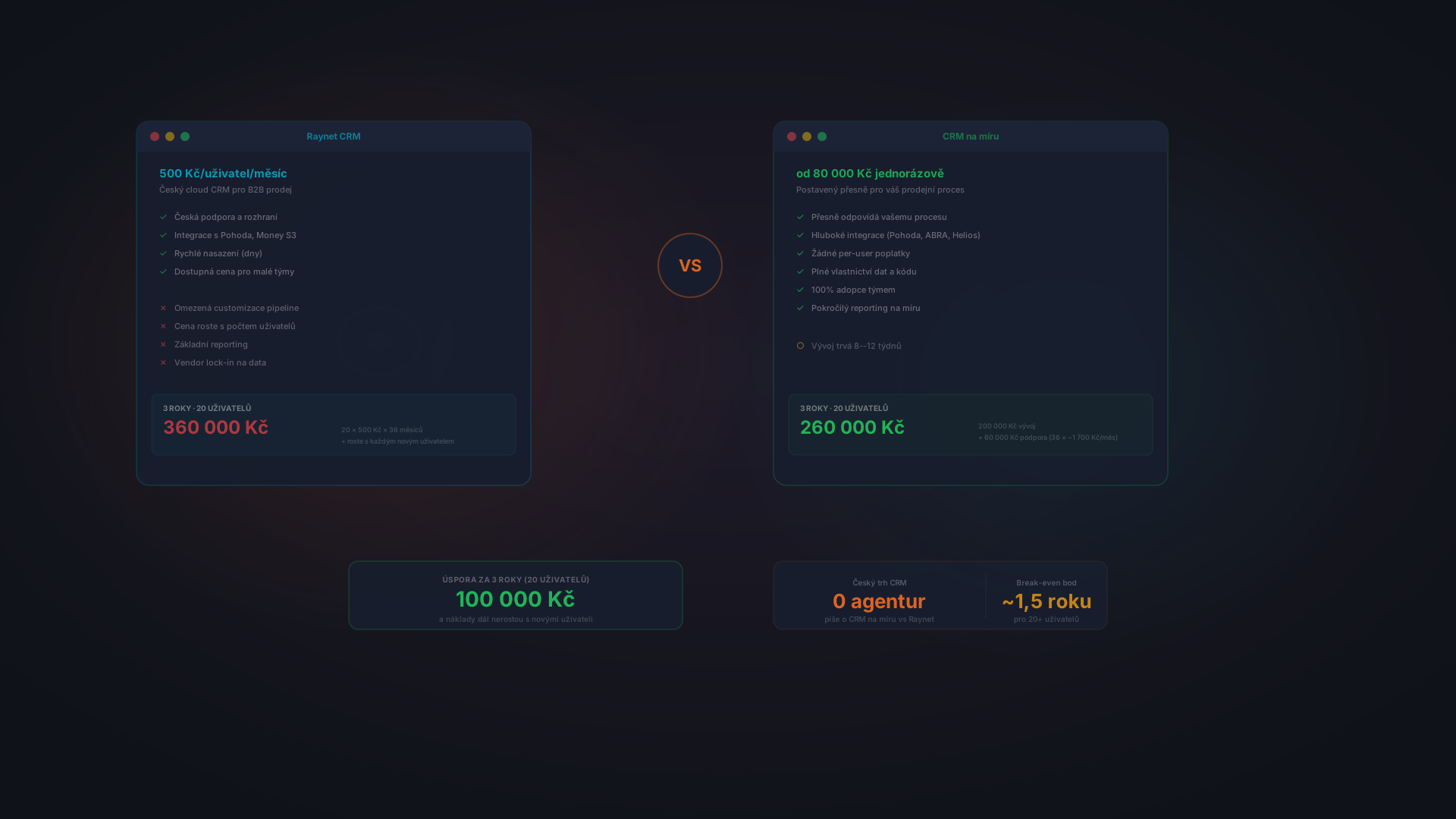
Raynet is Czech, affordable, and works for standard sales. But when your process does not fit its templates, a customized CRM system often wins. Compare costs, features, and the real ROI.
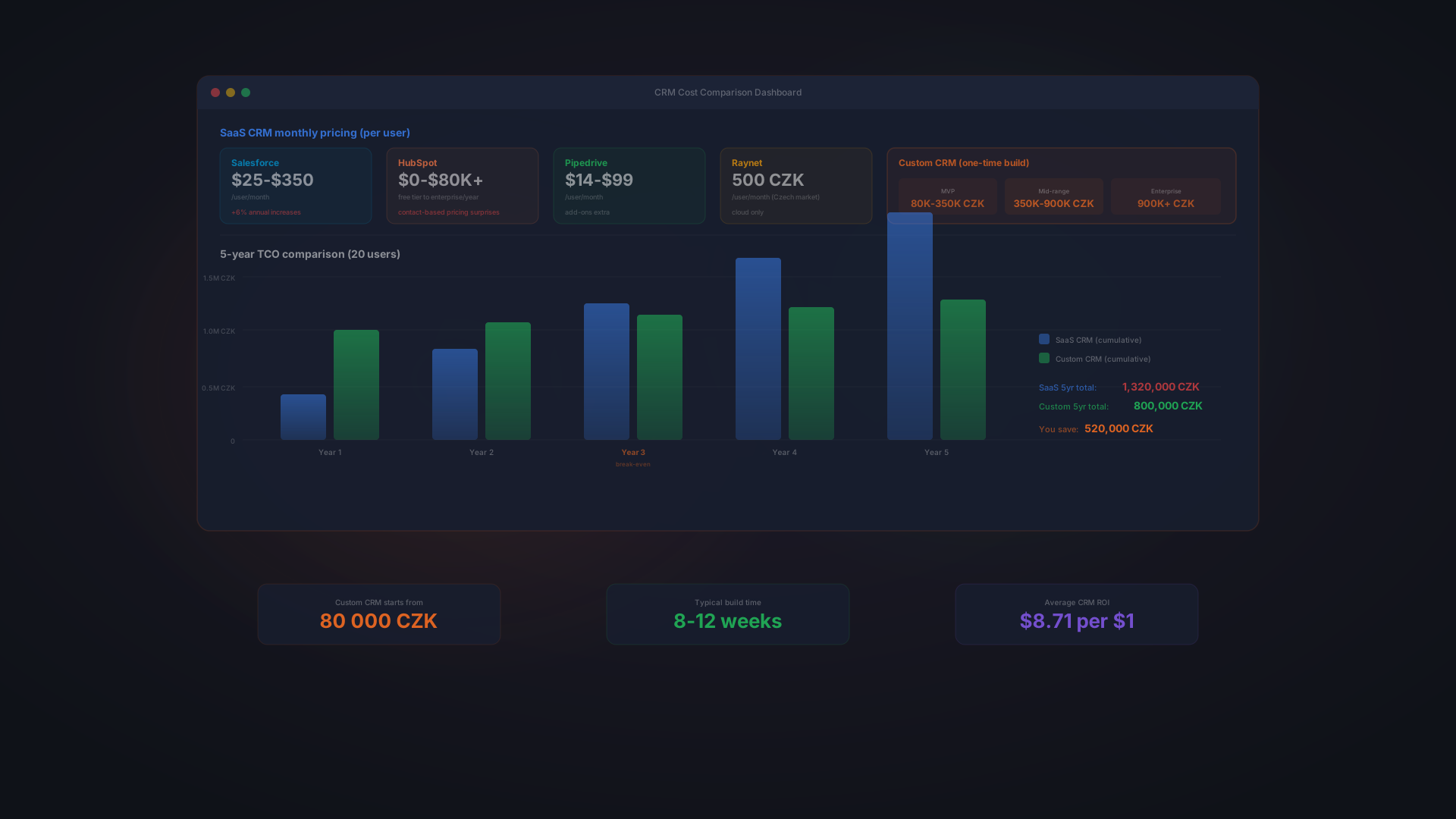
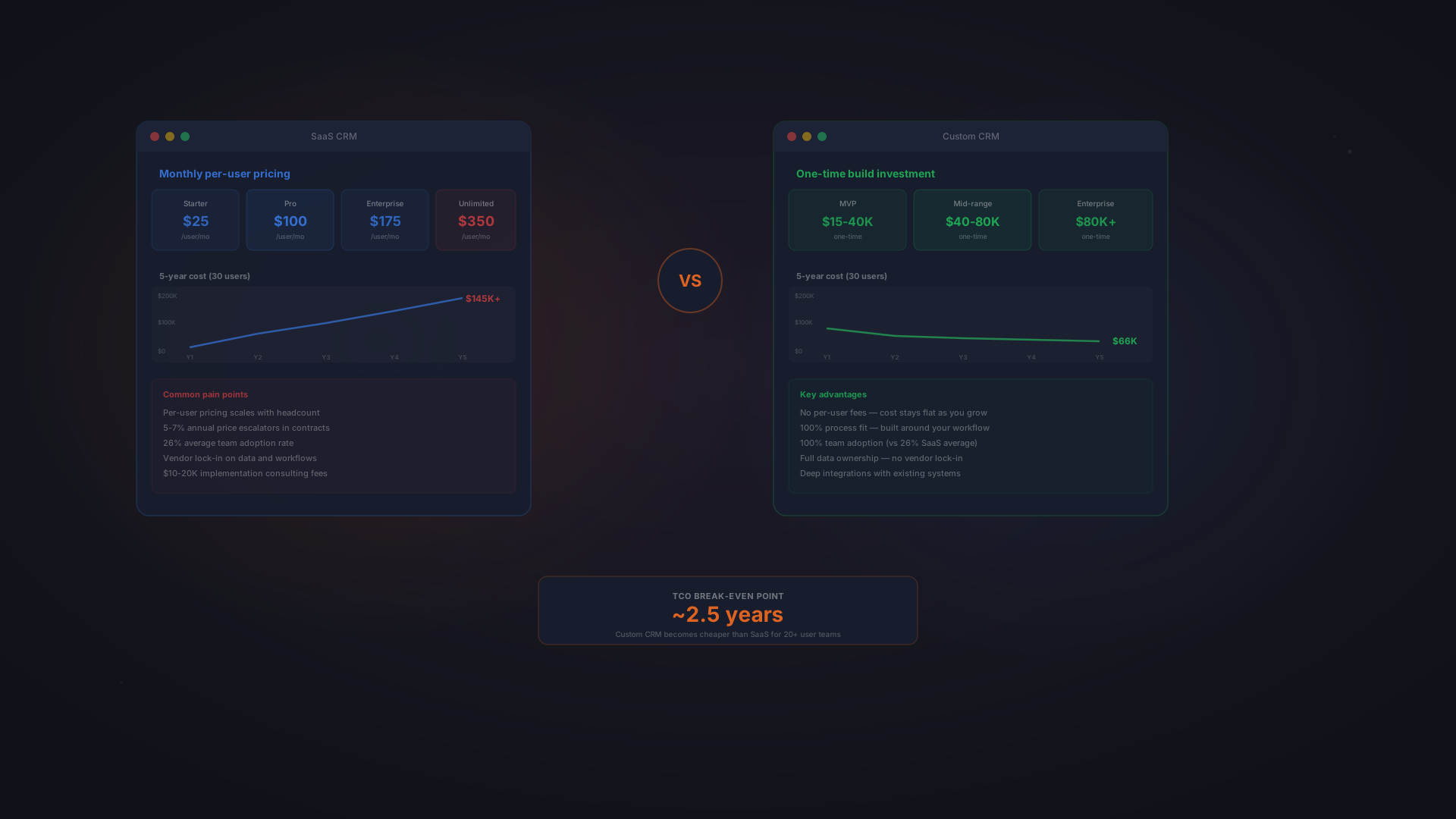
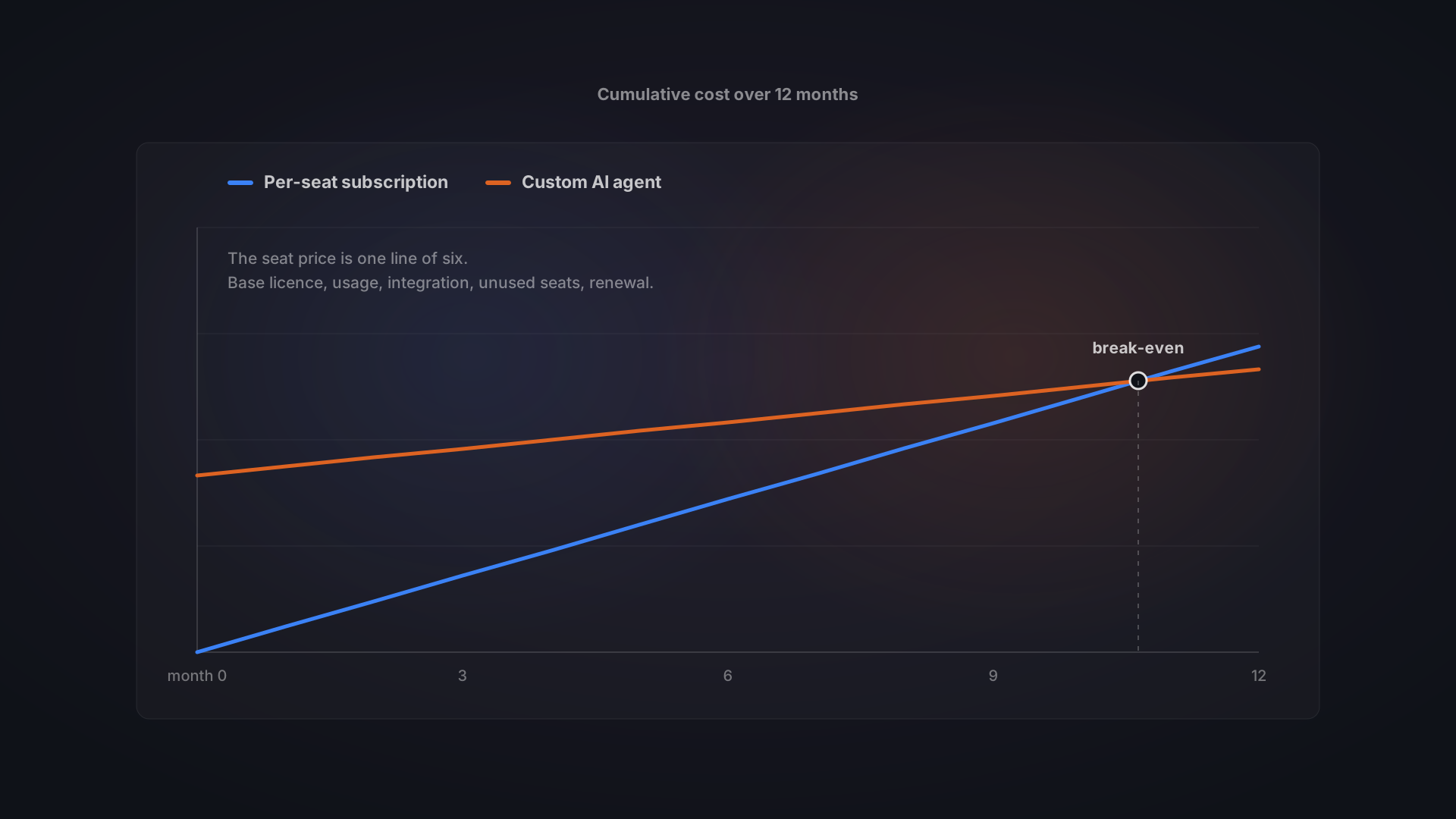
CRM pricing varies widely: SaaS options (Salesforce, HubSpot, Pipedrive) charge per user/month with hidden costs and annual increases. Custom CRM development starts from $3,300 with no per-seat fees and client ownership. This guide compares both, includes hidden costs, and shows 5-year TCO analysis.
Is Salesforce worth it for your team? Compare custom CRM vs Salesforce on real costs, features, adoption rates, and 3-year TCO for small and mid-sized teams.
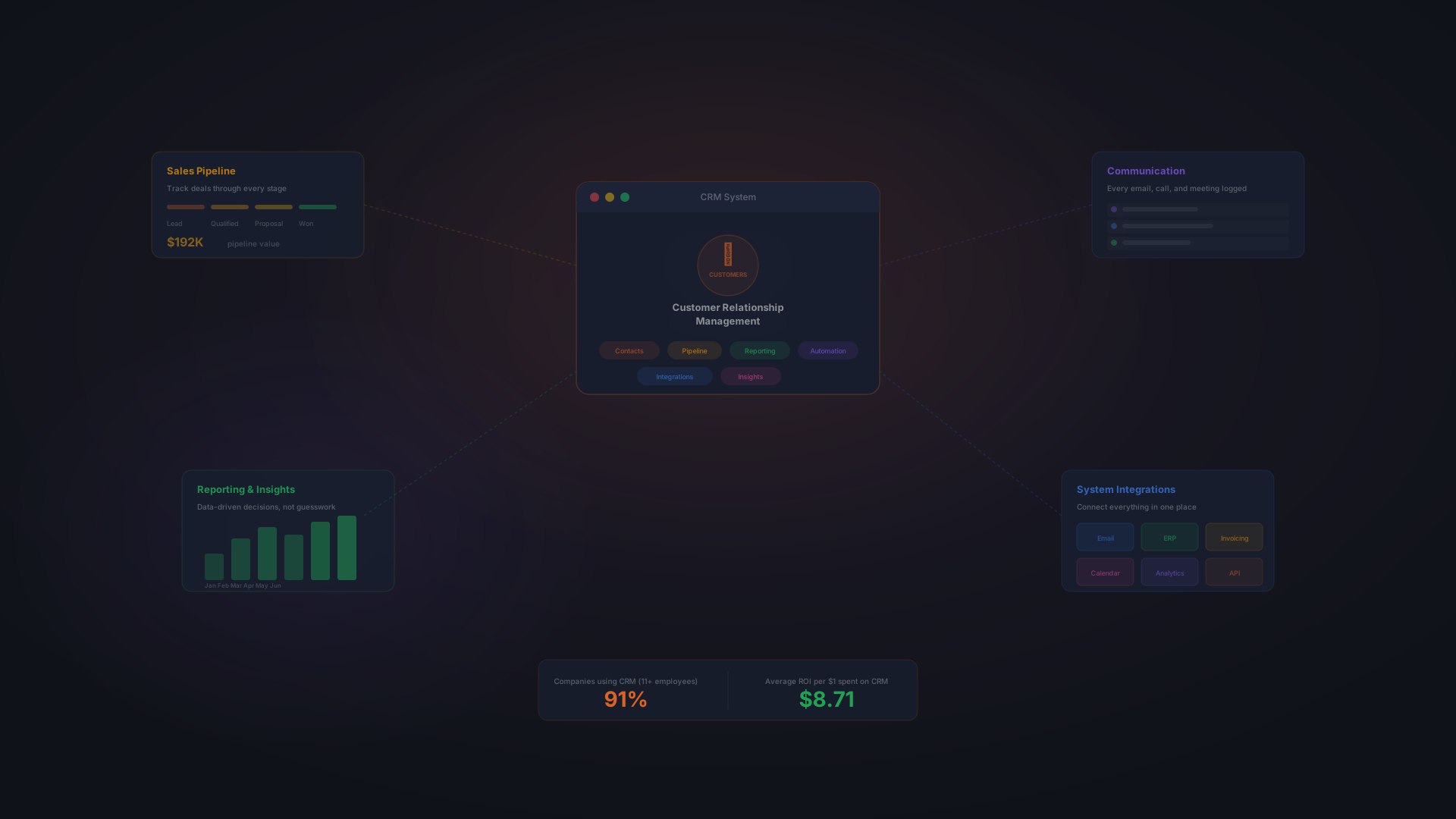
What is a CRM system and how does it work? Learn about core CRM functions, types of solutions (SaaS vs custom), when you actually need one, and how to pick the right approach for your business.
Compare custom-built CRM with SaaS platforms like Salesforce and HubSpot. Analyze real costs, 5-year TCO, decision criteria, and discover when a pre-built, customized CRM actually saves money.
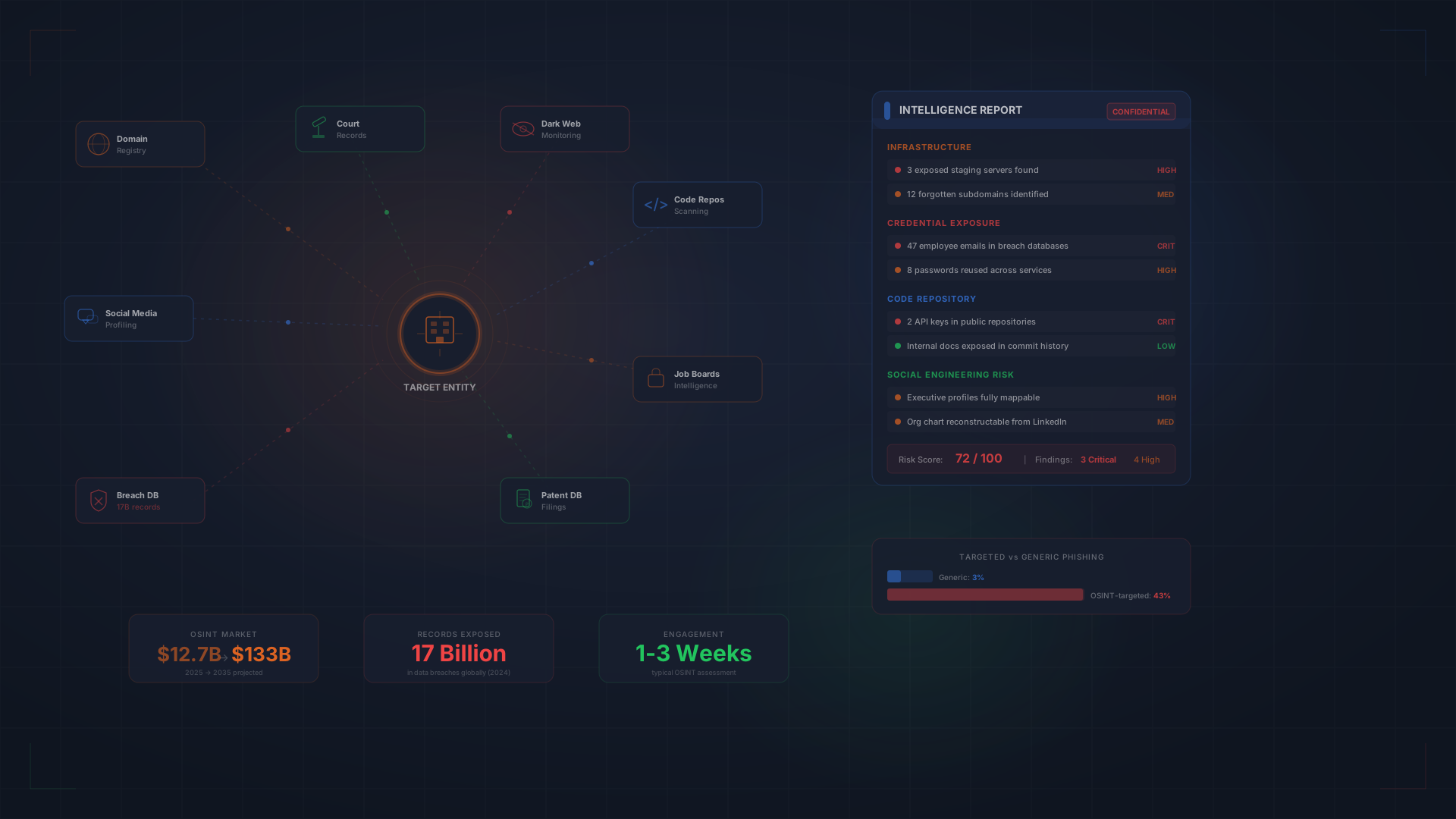
Learn how OSINT for business reveals hidden risks, exposes digital vulnerabilities, and strengthens due diligence. From credential leaks to competitive intelligence, here is what open source intelligence uncovers in practice — with real examples.
Compare white box vs black box penetration testing to find the right fit for your business. Learn the real differences in coverage, cost per vulnerability, and when each testing method delivers the most value — with practical decision frameworks.
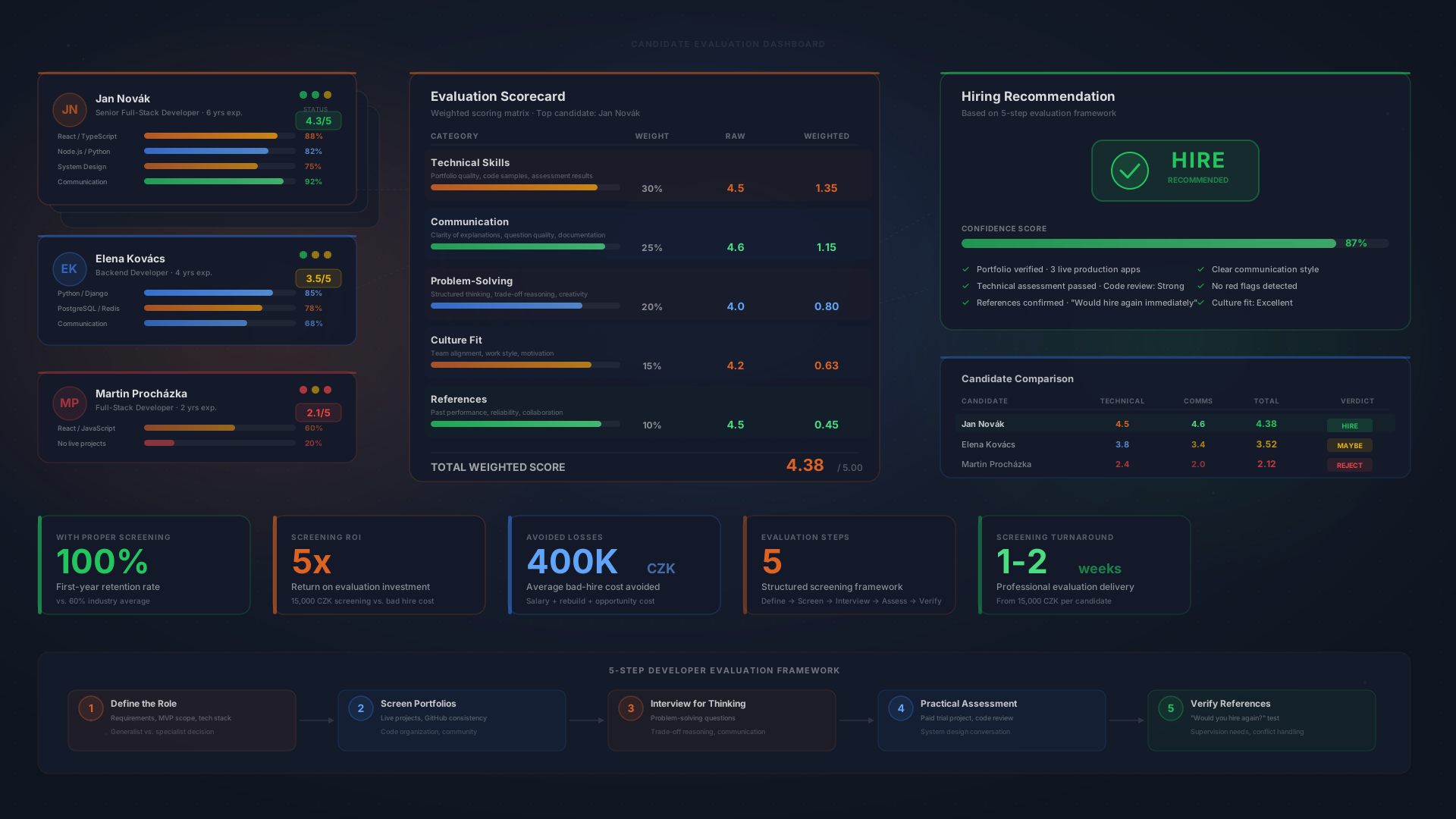
Learn how to evaluate developer candidates when you lack technical expertise. A practical 5-step framework covering portfolio screening, interview questions that reveal thinking, practical assessments, reference checks, and red flags that should disqualify any candidate.
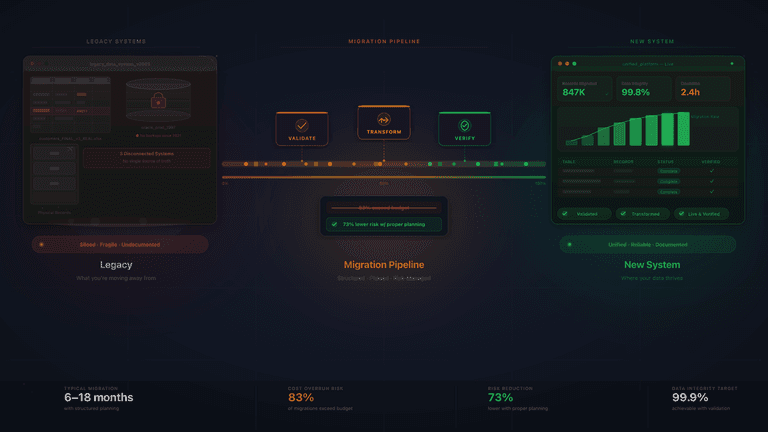
83% of data migration projects exceed their budget or timeline. But with proper planning, failure rates drop by 73%. Here is the practical 5-phase methodology, realistic cost breakdown, and 12-step checklist that makes the difference.
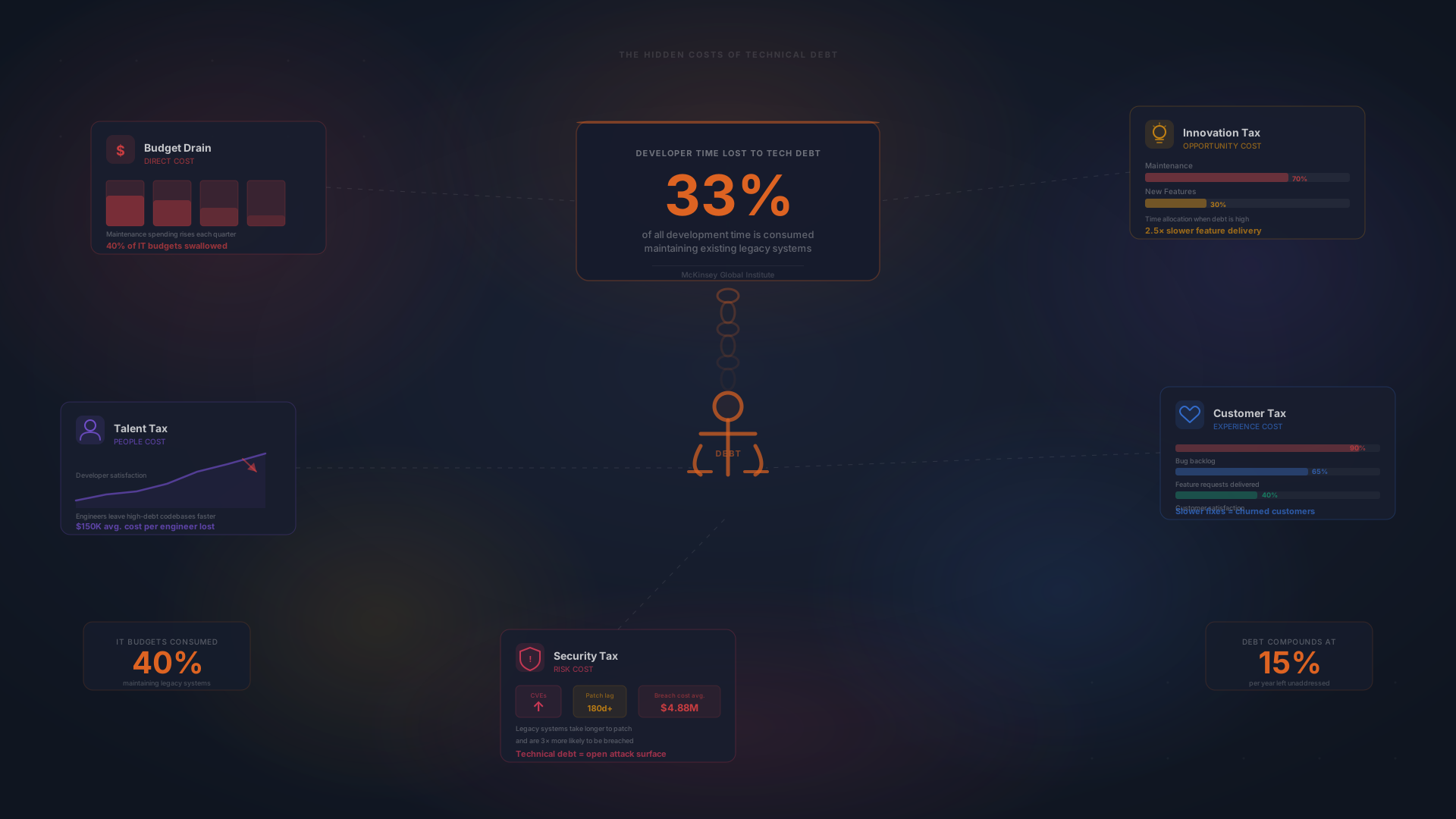
Developers spend 33-42% of their time on technical debt instead of building new features. For a growing business, that is the equivalent of losing multiple engineers to invisible overhead every year. Here is what technical debt is actually costing you — across five categories that show up on your P&L whether or not you can see them.
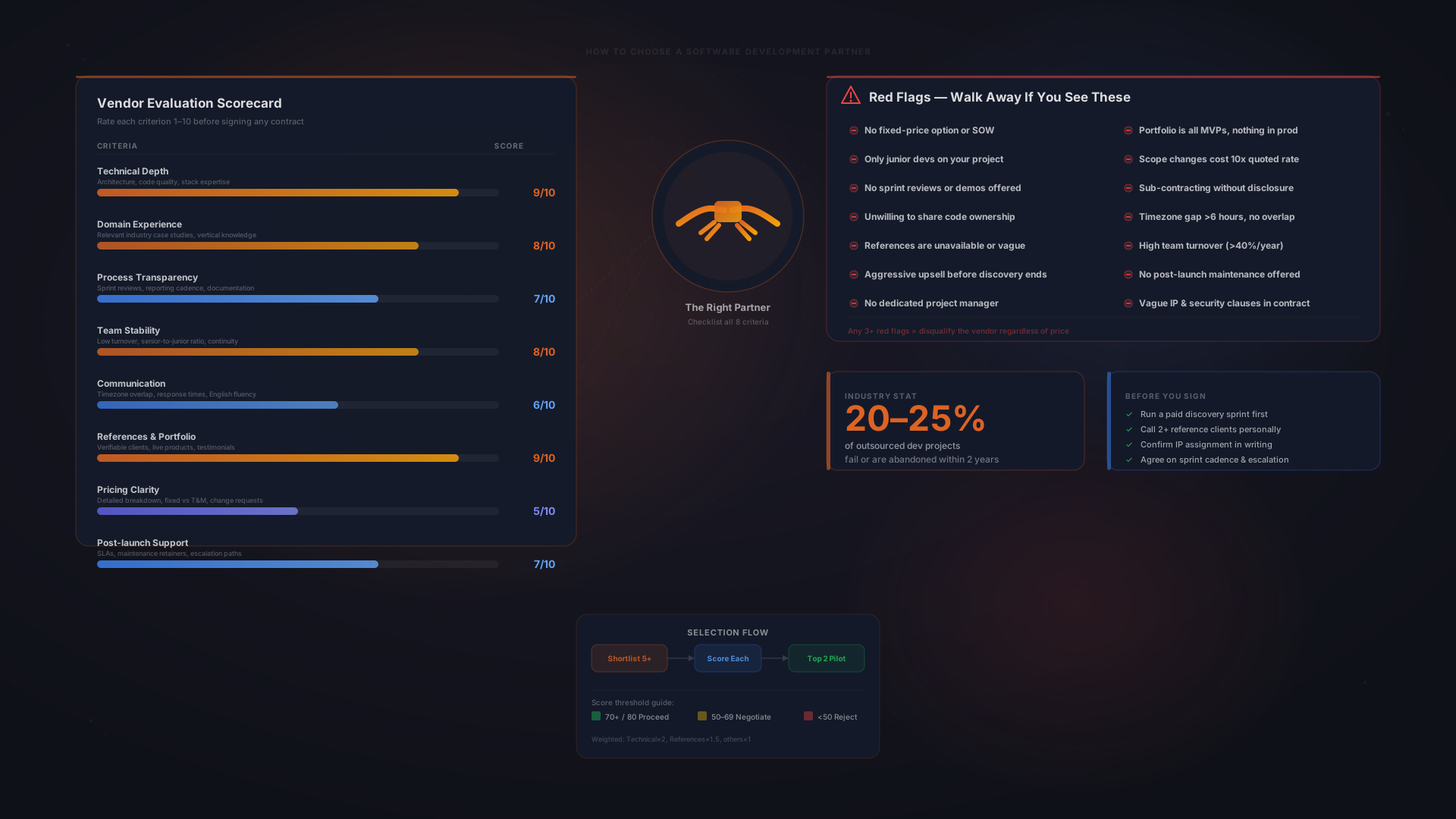
Choosing the wrong software development partner is one of the most expensive mistakes a business can make. 20-25% of outsourcing relationships fail within two years. This guide gives you the evaluation framework, red flags, cost benchmarks, and an honest look at when to keep development in-house.
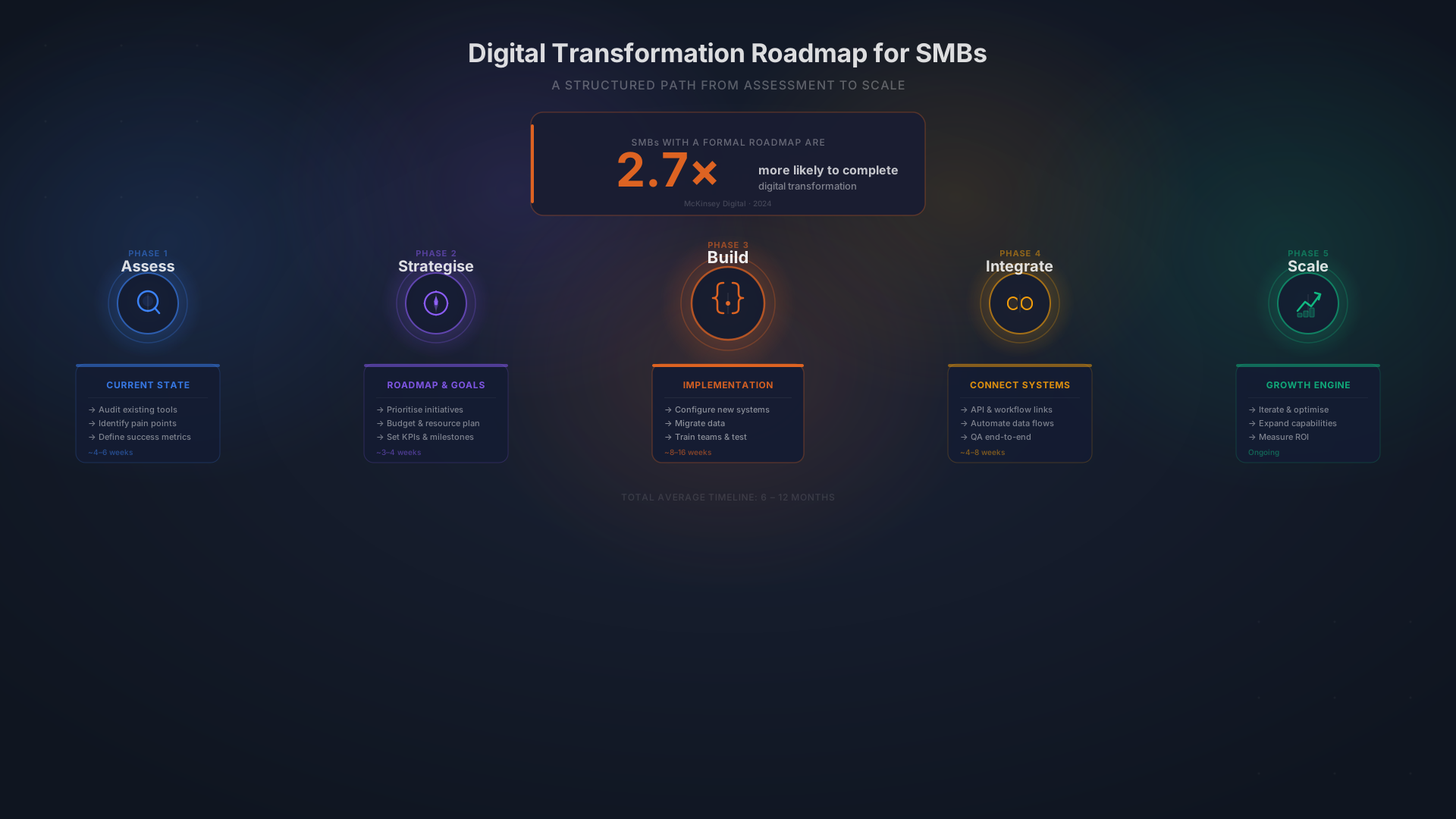
70% of digital transformations fail. But companies with fewer than 100 employees are 2.7x more likely to succeed. Here is the practical 5-phase roadmap — built for European SMBs — that separates the businesses that transform from the ones that just spend money trying.
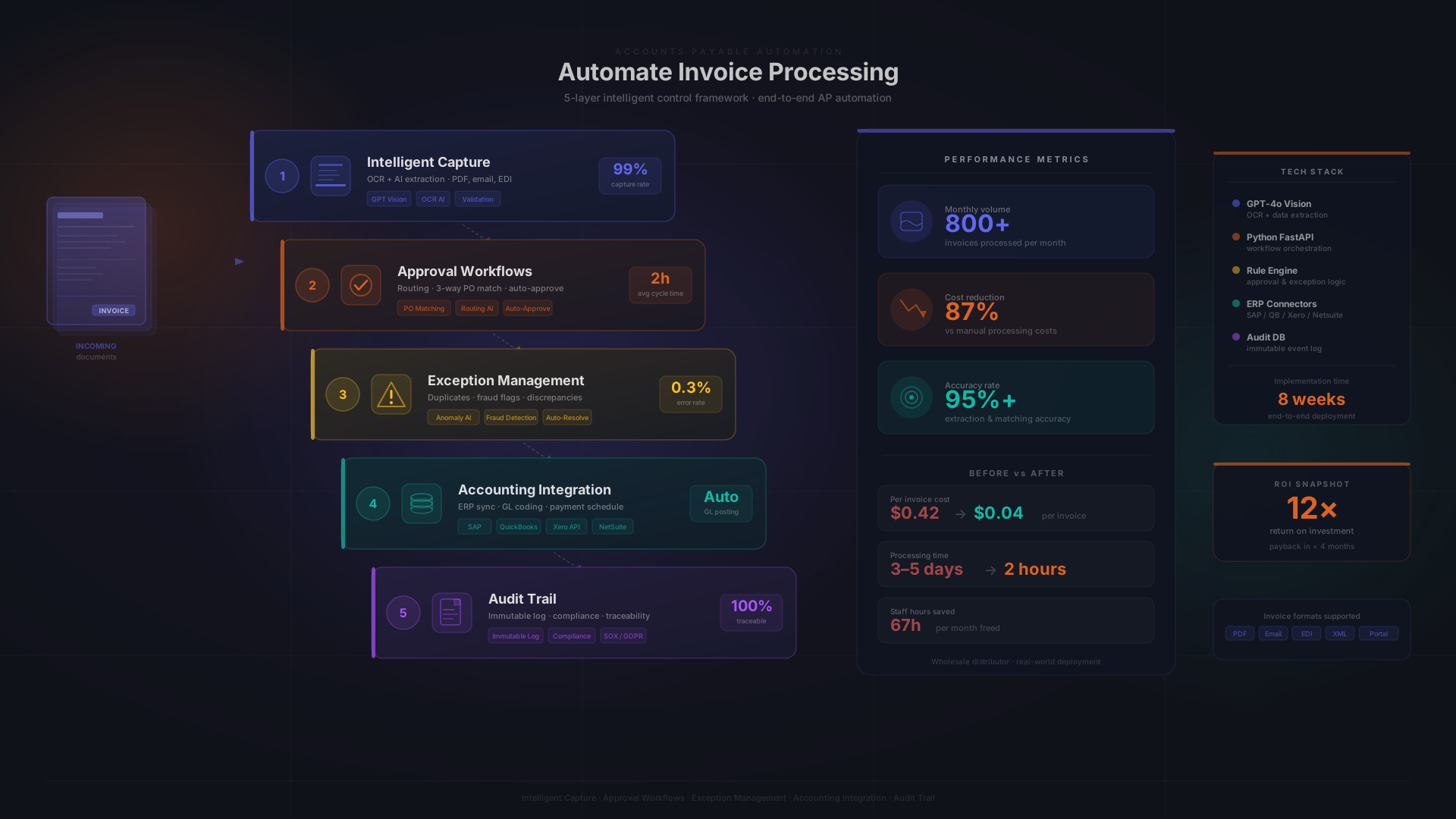
The fear of losing control is the #1 reason finance teams delay invoice automation. Here's why that fear has it backwards — and how to automate invoice processing in a way that gives you more visibility, not less.
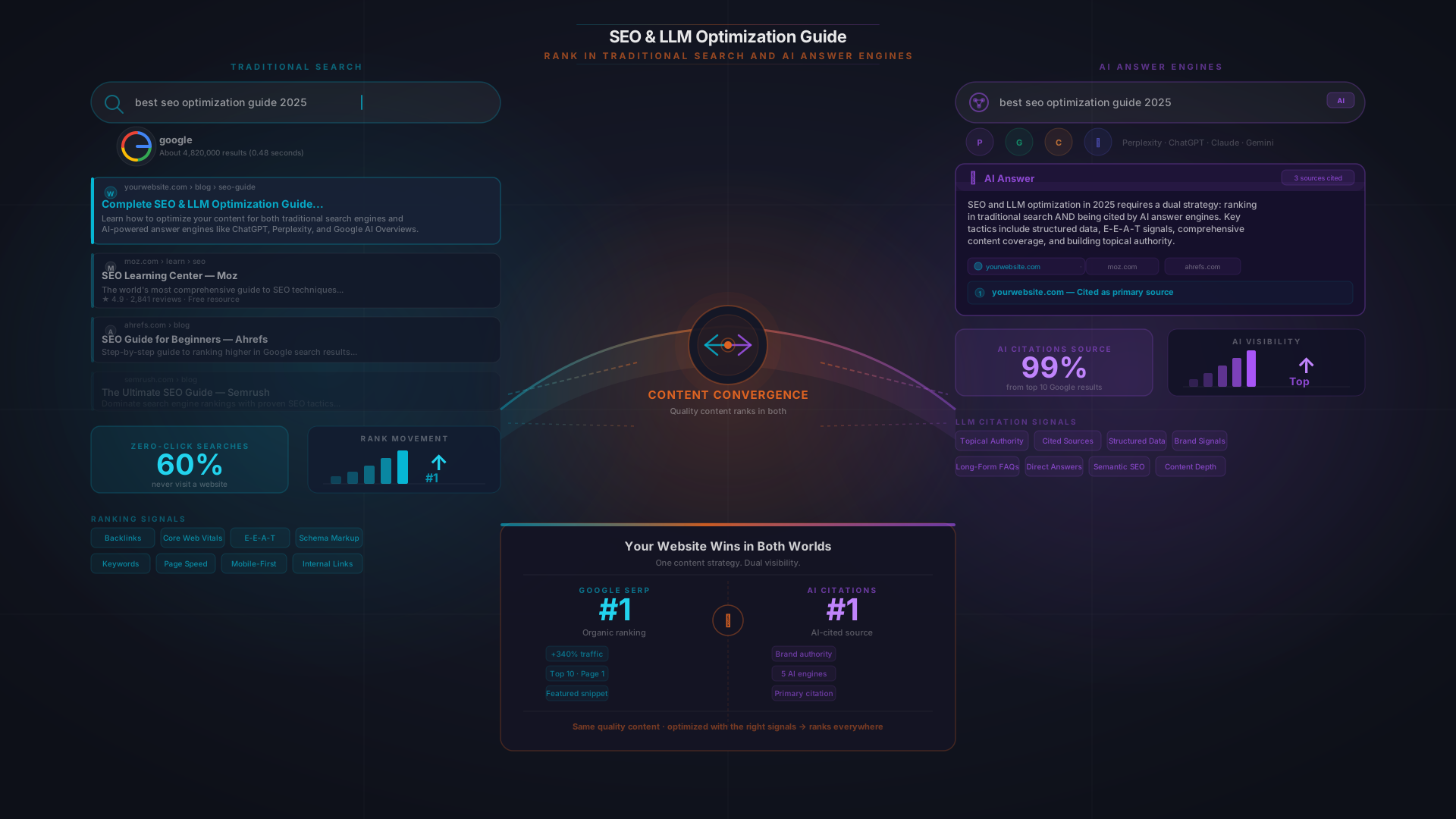
Your customers are no longer just Googling. They are asking ChatGPT for recommendations, reading Perplexity answers, and skipping your website entirely. Here is what changed, what it means for your business, and the practical 7-step framework for staying visible in both traditional search and AI-generated answers.
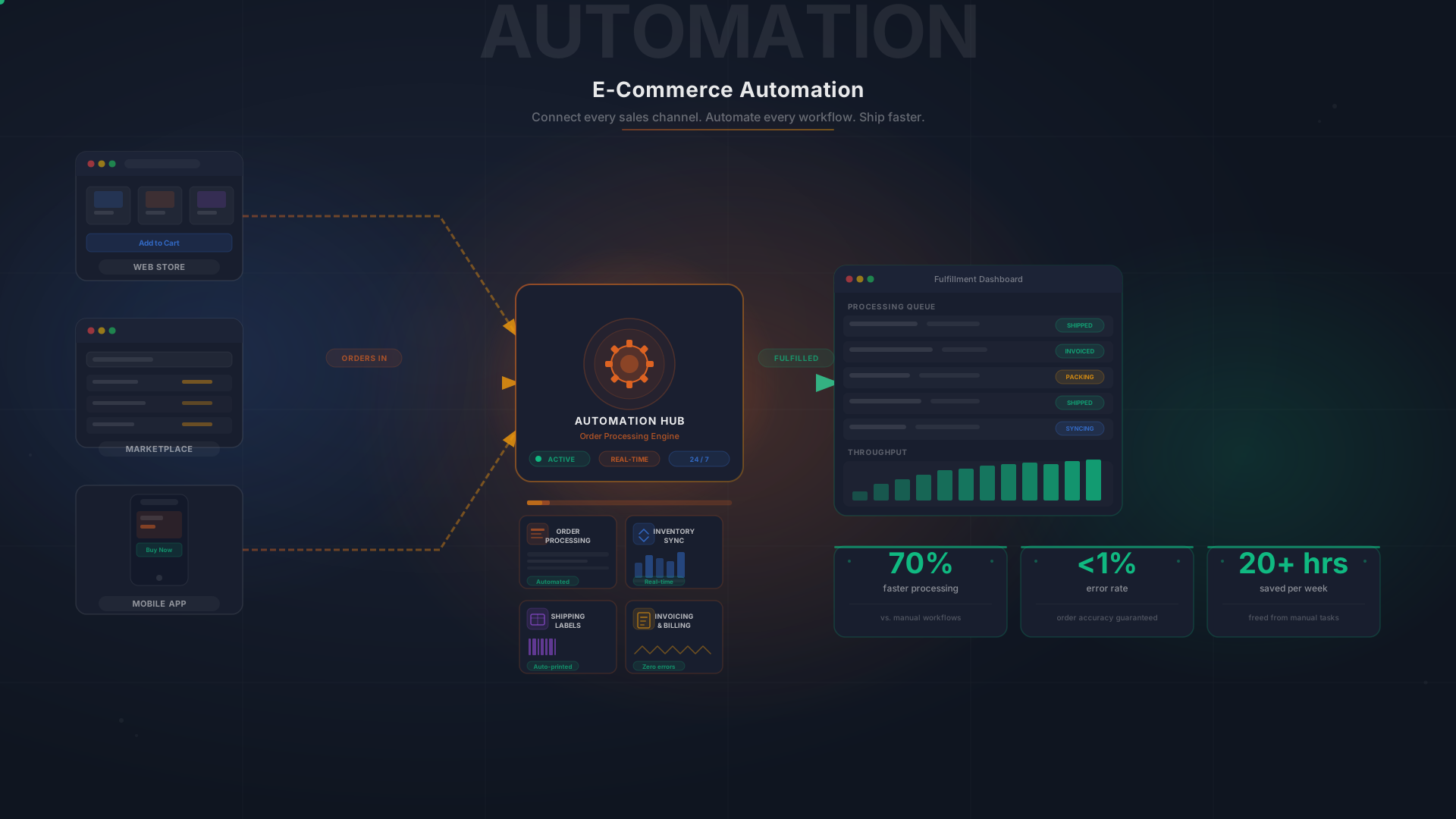
Mid-sized retailers lose 40% of their operational time to repetitive tasks that should be automated. Here is what the right ecommerce automation actually saves, what a Czech retailer achieved in 8 weeks, and how to know when template tools stop being enough.
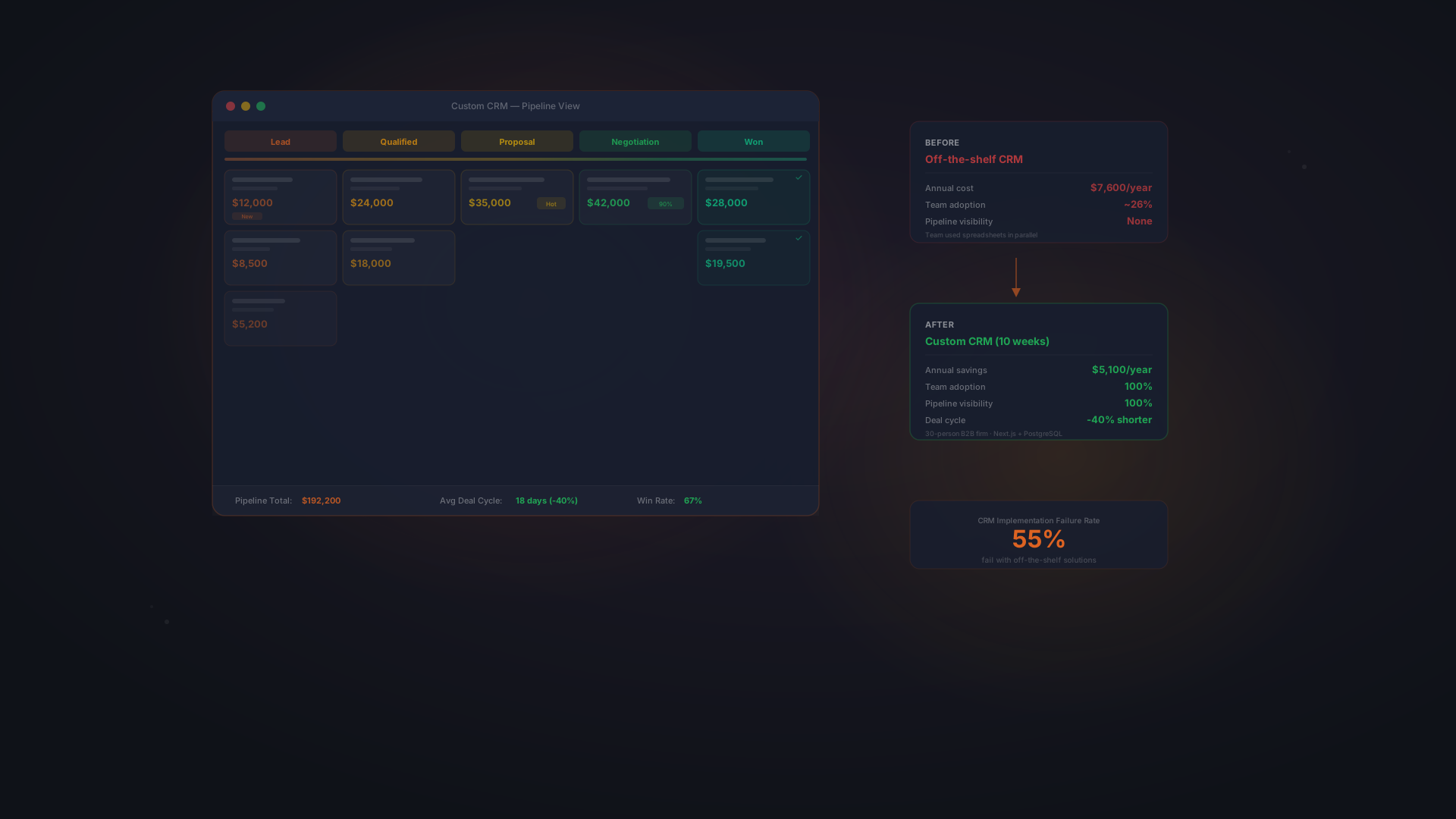
Most CRM implementations fail. Not because CRM is a bad idea — but because off-the-shelf platforms weren't built for your business. Here's what building a custom CRM actually looks like, what it costs, and when it pays off.
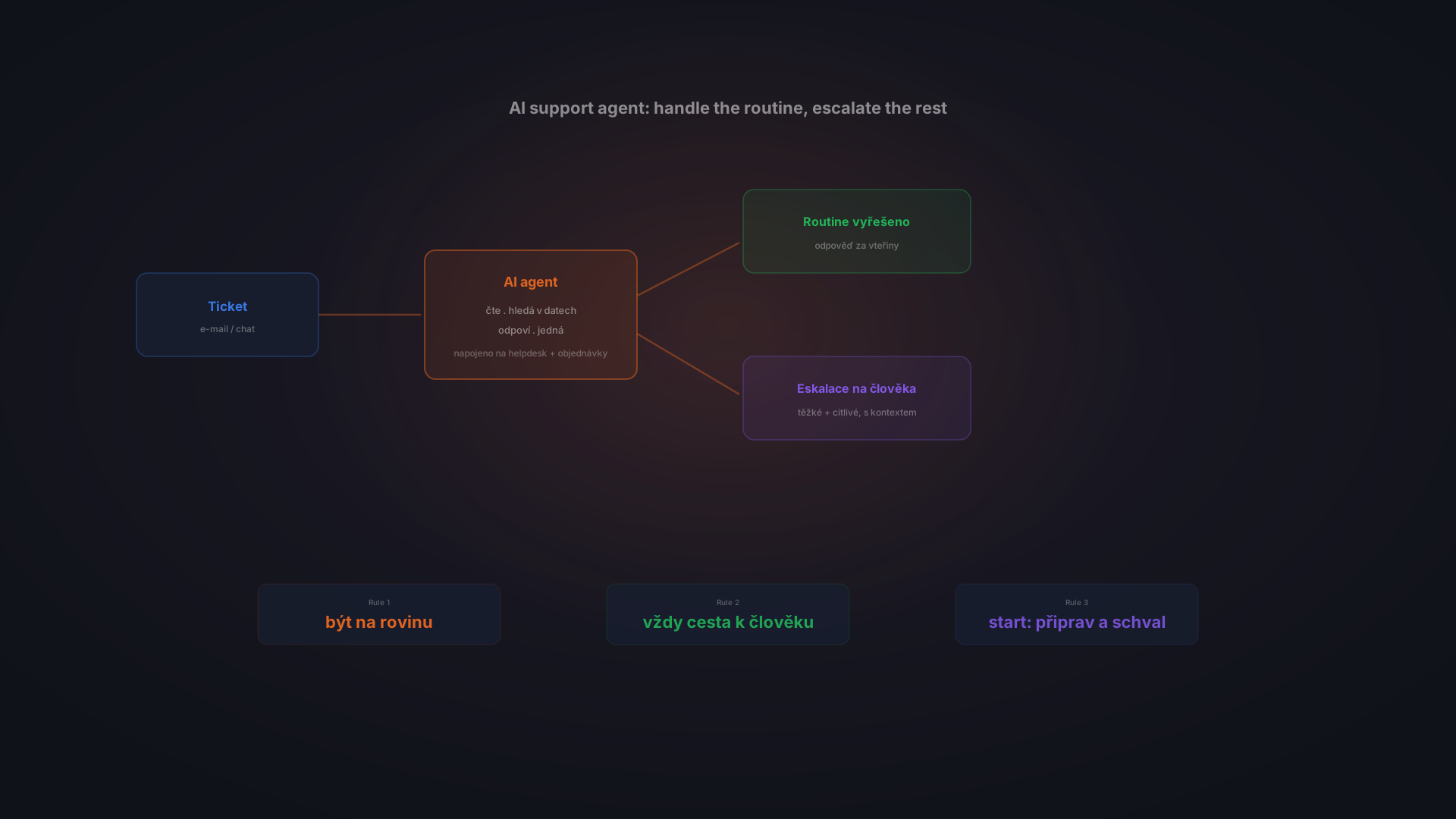
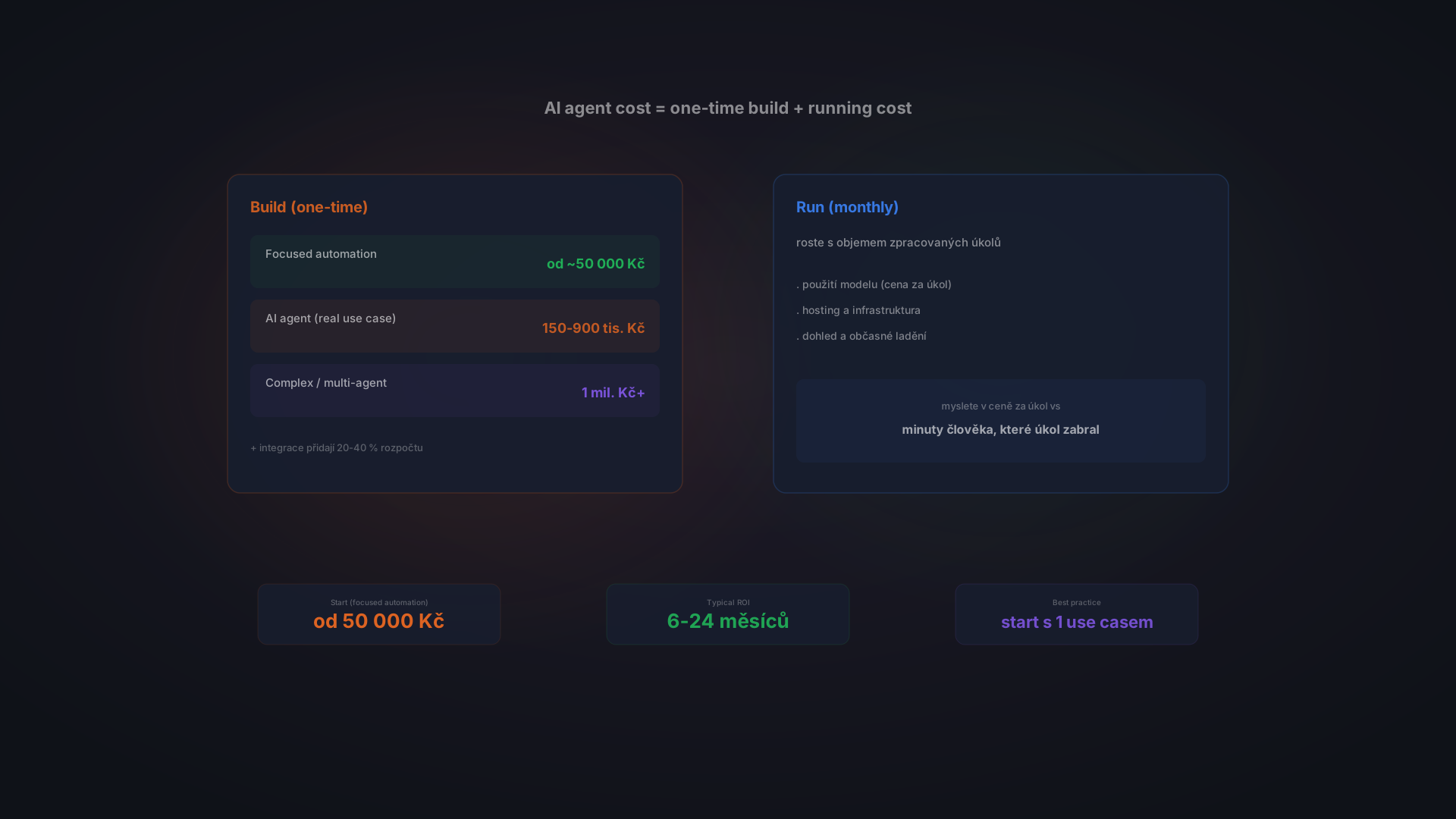
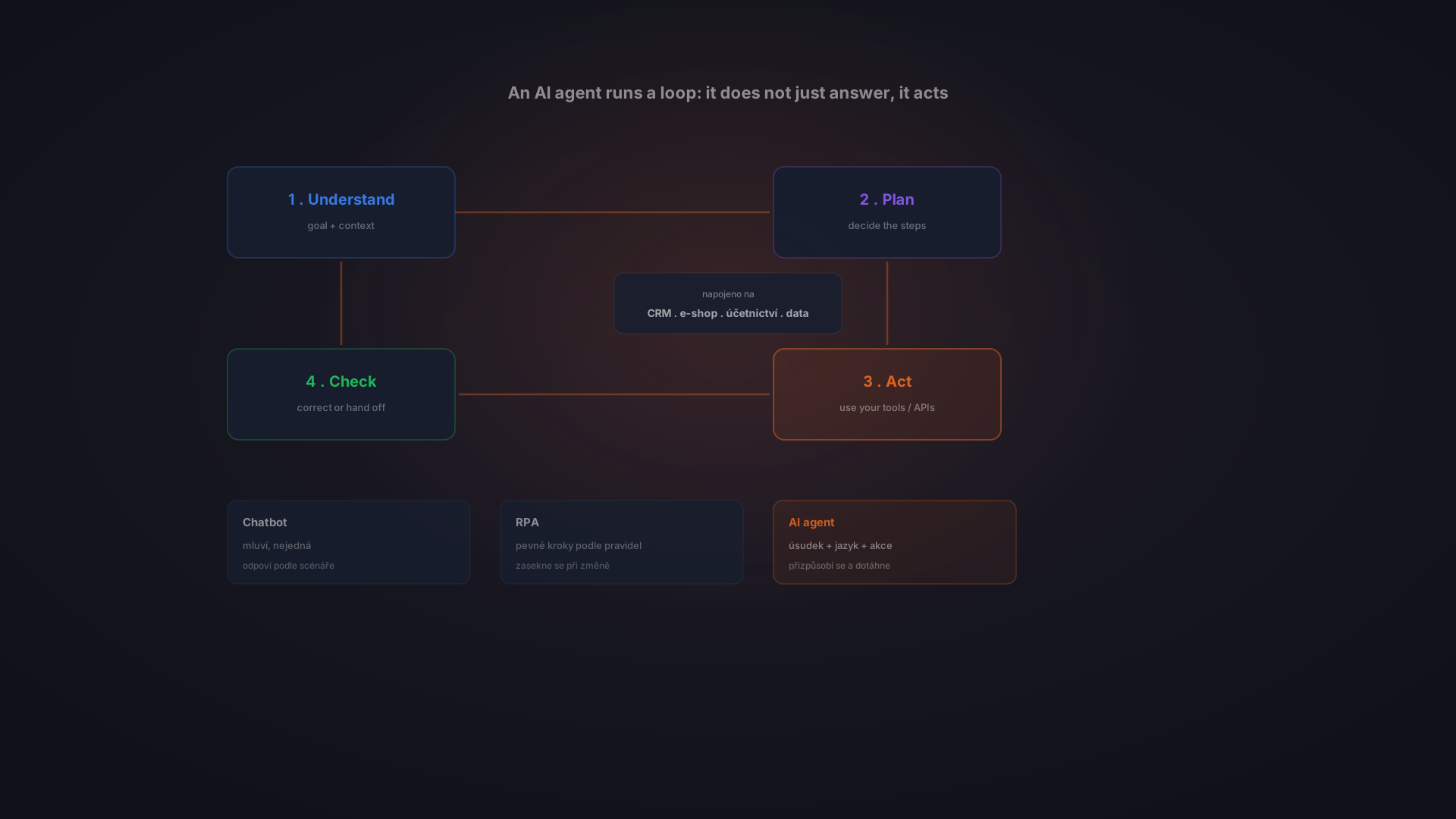
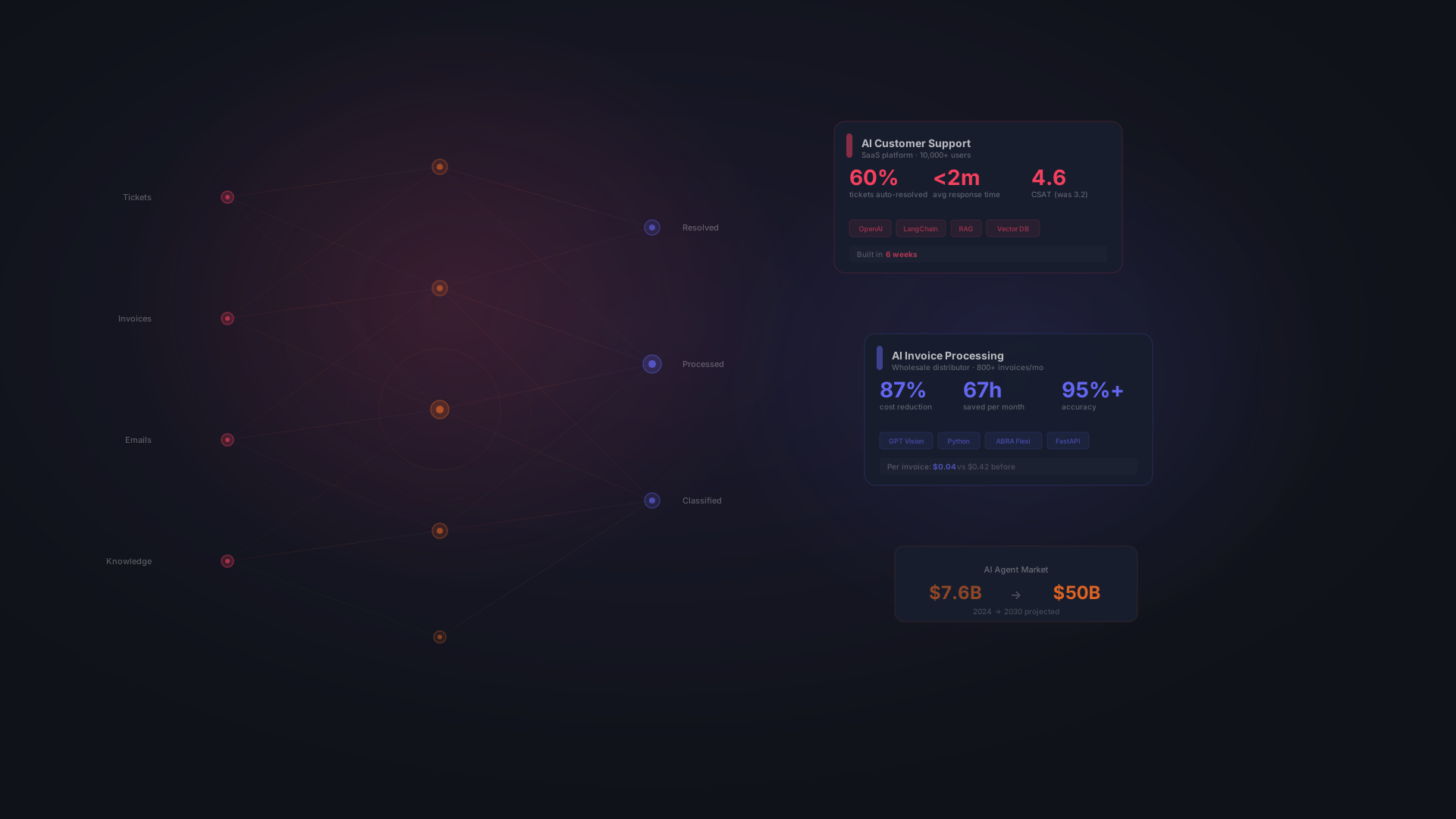
AI agents for small business are no longer science fiction. From resolving 60% of customer tickets automatically to cutting invoice processing costs by 87%, here is what the transformation looks like in practice — with real numbers.
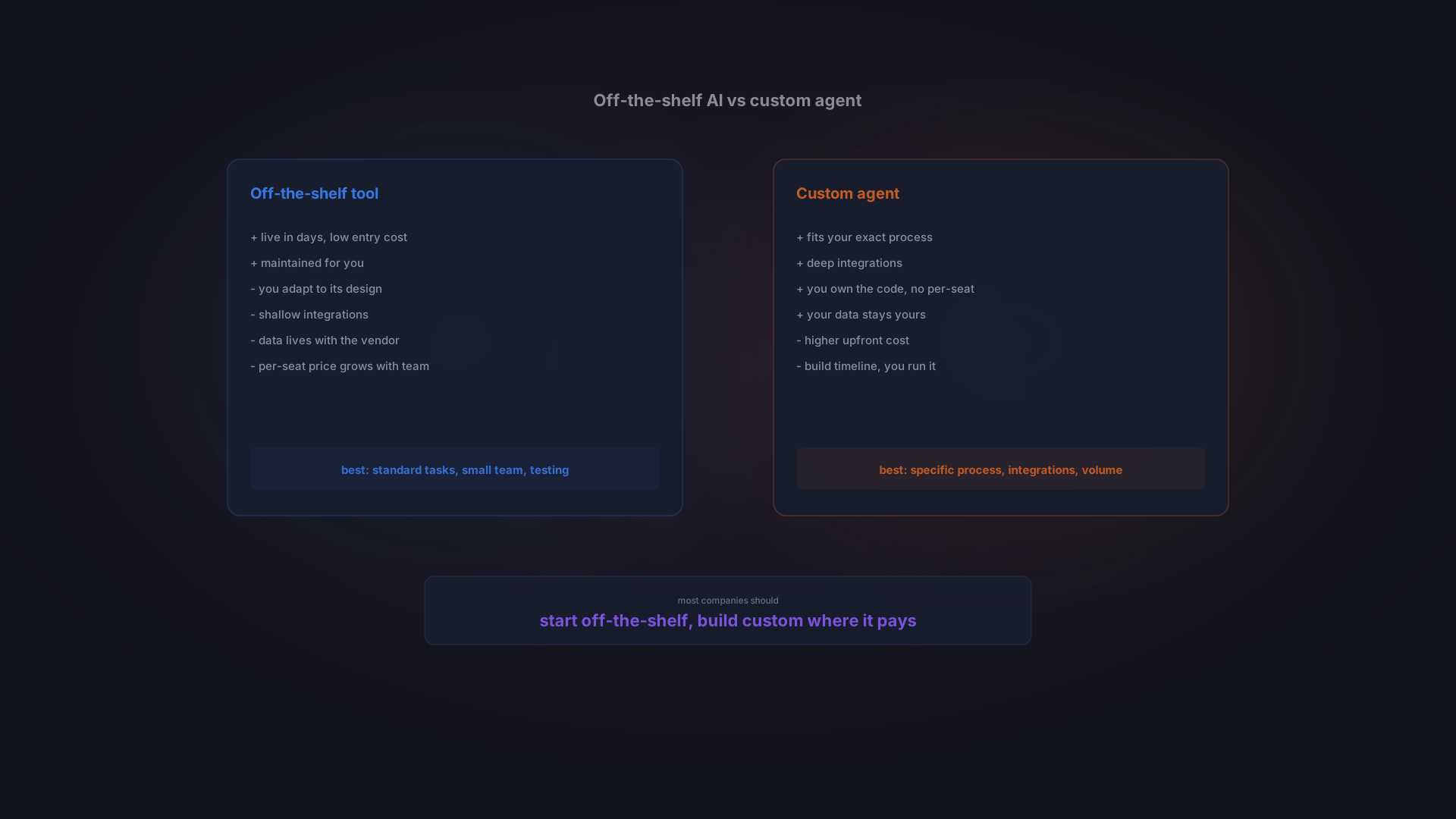
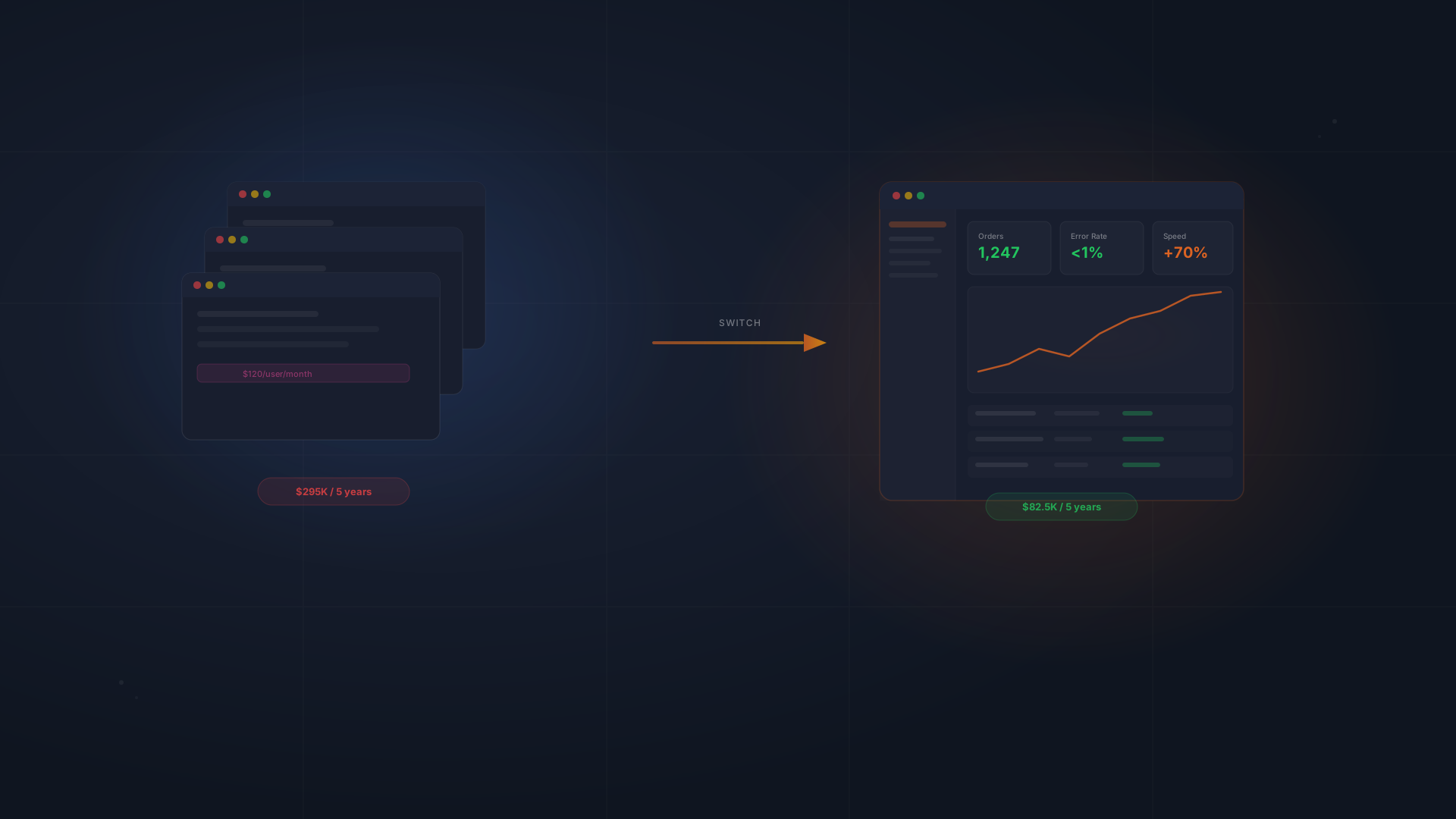
SaaS tools feel affordable until you add them up. Here's the real 5-year TCO data, ROI statistics, and a clear decision framework for growing businesses evaluating custom software vs SaaS.